Wondering how to house-hunt in Norfolk without turning your daily drive to Naval Station Norfolk into a stress test? You are not alone. If you are balancing commute time, home style, monthly costs, and long-term practicality, the search can feel bigger than just picking a house. The good news is that a smart plan can make the process much clearer. Let’s dive in.
Start with your Naval Station commute
When you are buying in Norfolk, commute geography matters just as much as square footage. Naval Station Norfolk sits in the Sewell's Point area, and your day-to-day experience can change a lot depending on which gate and road corridor you expect to use most often.
According to the Navy, Gate 2 on Hampton Boulevard and Gate 22 on Granby Street are open 24 hours. Other gates may operate only on weekdays or during peak periods, and gate hours can change based on operational needs. That means your home search should begin with your likely gate, not just a ZIP code or a price range.
Match your home search to your gate
If you expect to use Hampton Boulevard often, you may want to focus on areas that connect more directly to that corridor. If Granby Street is the more likely approach, your daily driving pattern may look very different. Even within Norfolk, small shifts in route can shape your morning and evening routine.
A good house-hunting plan asks practical questions first:
- Which gate will you likely use most often?
- What time will you typically report or head home?
- Will your route depend on Hampton Boulevard, Granby Street, or I-564?
- Do you want to avoid extra toll costs when possible?
Think beyond distance alone
A home that looks close on a map may not always feel easy during peak travel times. In Hampton Roads, route choice often matters more than simple mileage. That is especially true if your daily travel includes major regional bottlenecks or tolled lanes.
VDOT says the Hampton Roads Bridge-Tunnel is a major connector between Hampton and Newport News and Norfolk and Virginia Beach, carrying more than 100,000 vehicles a day during tourist season. VDOT also notes that the Monitor-Merrimac Memorial Bridge-Tunnel typically carries about half that daily traffic and is often seen as a practical less-congested alternative.
Regional commuters need a wider lens
If you are considering areas beyond central Norfolk, the water crossing may become the biggest variable in your day. A shorter drive in miles does not always mean a smoother commute. If your route may include the harbor area, bridge-tunnel traffic should be part of your decision from the start.
VDOT also says the Hampton Roads Express Lanes in Chesapeake and Norfolk are tolled 24/7. If your routine may rely on those lanes, it is wise to factor that into your monthly ownership budget along with your mortgage, taxes, and insurance.
Norfolk offers many housing choices
One of the biggest strengths of house-hunting in Norfolk is variety. The city has more than 100 neighborhoods organized into seven Neighborhood Service Areas, so you are not shopping one uniform market. You are comparing several submarkets, each with its own mix of housing type, age, and location.
That variety can work in your favor. If you want a lower-maintenance property, you may find options very different from what you would see if you prefer an older detached home with more architectural detail.
Expect a wide range of home styles
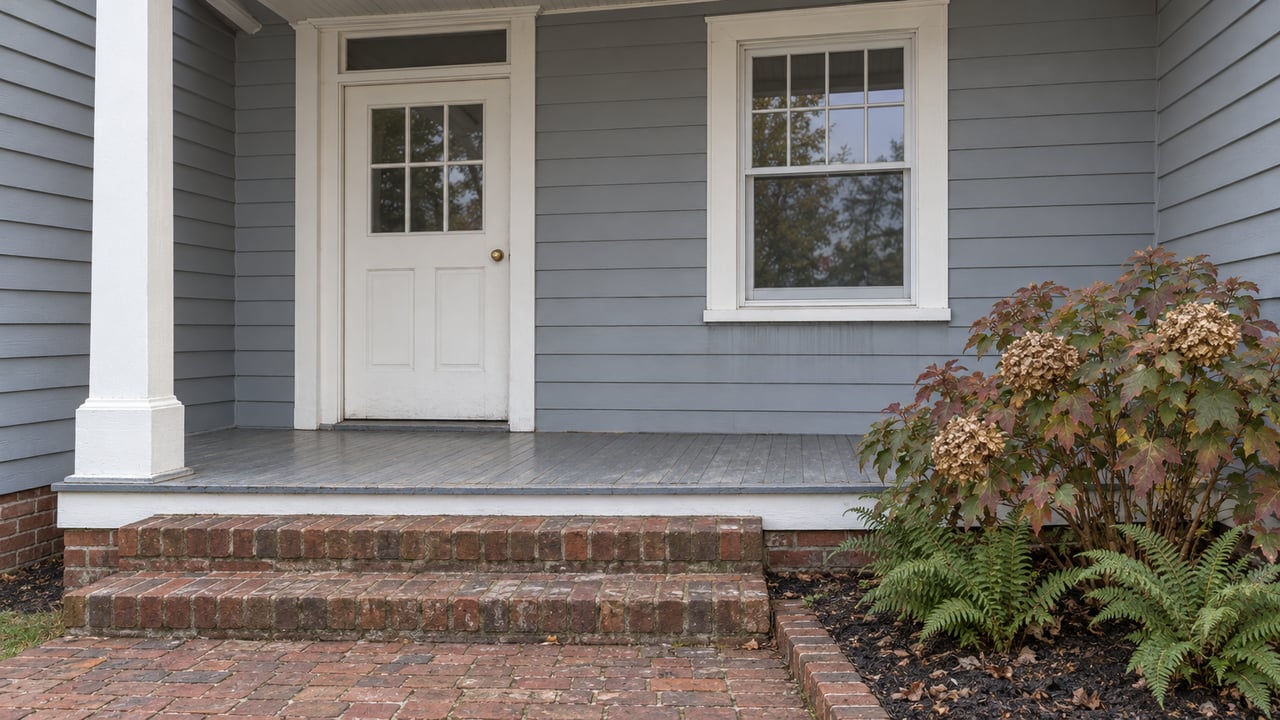
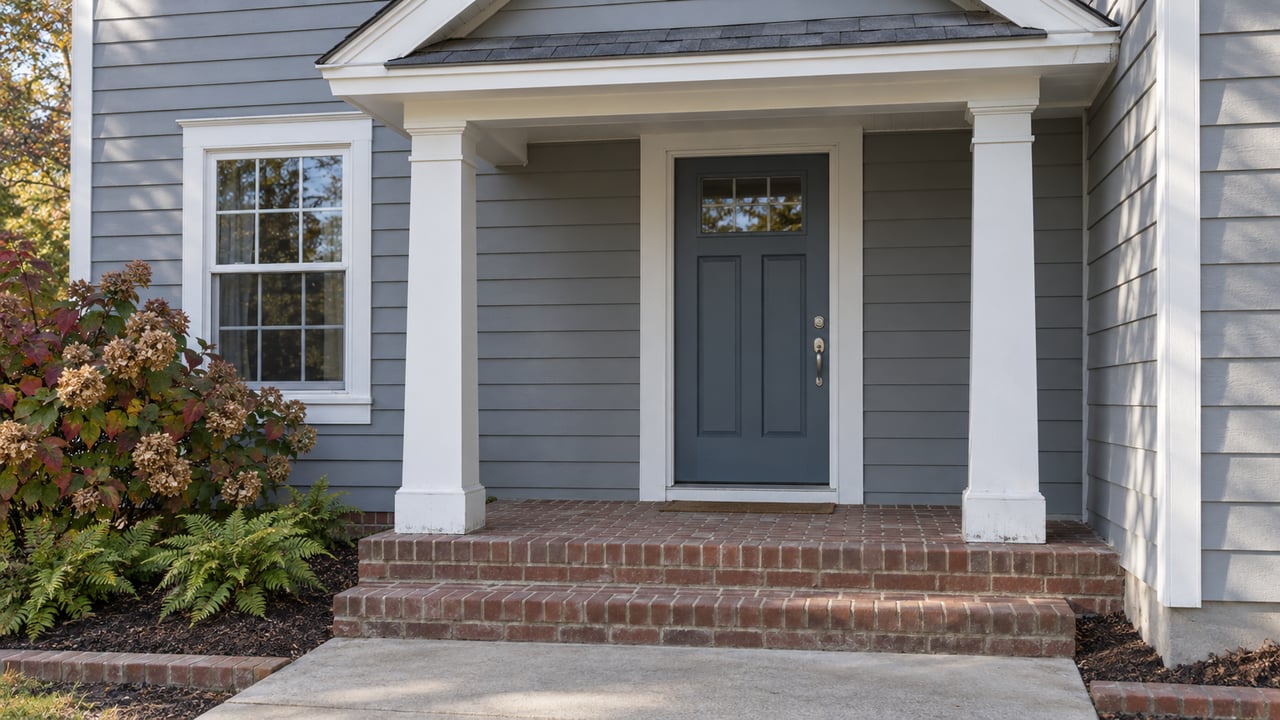
Norfolk’s housing stock includes many classic and practical styles. City design materials identify Colonial forms such as Georgian, Federal, Classical Revival, and Colonial Revival, along with Craftsman bungalows, American Foursquare homes, Minimal Traditional houses, Ranch homes, Split-Level homes, and some Contemporary examples.
That means your house-hunting process should include more than just bedroom count. You may find yourself choosing between charm and simplicity, or between a home with historic character and one with a more straightforward maintenance profile.
Norfolk also includes more than single-family homes
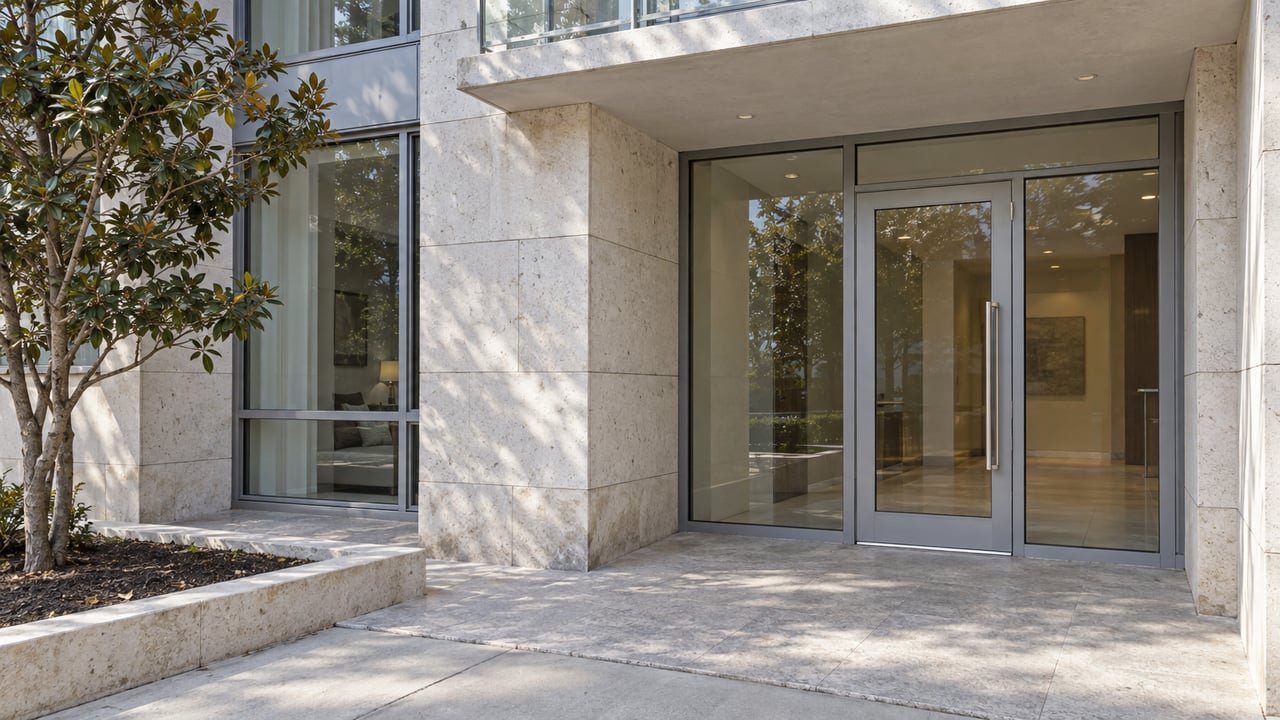
The city also describes a broad mix of housing types beyond detached houses. Norfolk planning materials reference duplexes, four-plexes, cottage courts, carriage homes, town homes, mansion apartments, and larger multi-family buildings.
For a Naval Station commute, that can be helpful. If your top priority is easy living and a practical route to base, a townhome or other lower-maintenance option may fit your lifestyle better than a larger older property.
Historic district rules can affect your plans
If you love older homes, Norfolk gives you plenty to explore. But before you fall in love with a porch, exterior paint scheme, or renovation idea, make sure you understand whether the property sits in a local historic district.
Norfolk has several locally zoned historic districts, including Downtown, East Freemason, Ghent, Norfolk & Western Railroad, and West Freemason. In these districts, exterior alterations, new construction, and often demolition require review and approval through the Architectural Review Board and a Certificate of Appropriateness.
Why this matters during house-hunting
Historic district rules do not mean you should avoid these areas. They simply mean you need to know the process before you buy. If you already have plans for exterior updates, windows, additions, or major changes, this step matters early.
For some buyers, historic character is a major plus. For others, flexibility and lower upkeep may matter more. The key is making sure the home fits both your taste and your future plans.
Budget for more than the purchase price
Norfolk’s market remains competitive, so it helps to plan your budget carefully. Redfin’s April 2026 snapshot shows a citywide median sale price of $324,095, with homes selling in about 28 days and 43.2% selling above list price.
Recent ZIP-code snapshots show a price range within the city. The reported median sale price was about $304,847 in 23504, $327,835 in 23505, $339,829 in 23503, and $358,320 in 23518. Those figures can help you set realistic expectations as you compare commute patterns and home types.
Property taxes are part of the monthly picture
Norfolk’s real estate tax rate is $1.23 per $100 of assessed value. Using that rate, a home around the citywide median sale price of $324,095 would imply about $3,986 a year in city real estate tax before any exemptions or assessment differences.
Using the same math, a roughly $305,000 home would imply about $3,752 a year, while a home around $358,320 would imply about $4,407 a year. Those numbers are useful planning tools when you are comparing neighborhoods and monthly affordability.
Flood risk should be on your checklist
Flood exposure is a major cost factor in Norfolk. The city says its low-lying coastal setting and proximity to waterways make it susceptible to precipitation, storm surge, and tidal flooding. The city also recommends flood insurance even when it is not required.
On the city’s Flood Zones page, lender-required flood insurance is generally tied to higher-risk flood zones. Even so, buyers should not treat flood insurance as an afterthought. It is smart to ask about flood exposure and possible insurance needs before you get too attached to a property.
Use a smart priority order
When you are searching for a home near Naval Station Norfolk, it helps to rank your priorities in a practical order. Based on the local factors that matter most, the strongest sequence is:
- Gate access and commute time
- Flood exposure and insurance
- Historic district status
- Home style, layout, and size preferences
This order keeps your search grounded in your daily life and long-term costs. It also helps you avoid spending time on homes that look great online but create headaches later.
Convenience versus character
This is often the biggest tradeoff for buyers in Norfolk. Homes closer to the base or near major gate corridors may simplify your commute. Older areas may offer more distinctive architecture and neighborhood character, but they can also come with more maintenance, flood considerations, or design-review rules.
There is no one-size-fits-all answer. The right choice depends on how you balance drive time, budget, upkeep, and the kind of home experience you want every day.
A practical house-hunting game plan
If you want to keep your search focused, use this simple plan as you evaluate homes in Norfolk:
- Identify your most likely gate and reporting pattern
- Map the road corridor you expect to use most often
- Compare homes by commute practicality first
- Review flood exposure before moving too far forward
- Check whether the property is in a local historic district
- Estimate total ownership cost, including taxes and possible tolls
- Then compare style, updates, and layout
This approach keeps the process grounded in real life, not just listing photos. It is especially helpful if you are relocating on a timeline and need to make confident decisions quickly.
If you are house-hunting in Norfolk with a Naval Station commute, you deserve guidance that feels both strategic and personal. That is where local insight makes all the difference. For VIP support, military relocation know-how, and a red-carpet approach to your move, connect with Darlene "Hollywood" Gaines.
FAQs
What should I prioritize when house-hunting in Norfolk for a Naval Station Norfolk commute?
- Start with likely gate access and commute route, then review flood exposure, historic district status, and finally home style and size.
Which gates at Naval Station Norfolk are open 24 hours?
- According to the Navy, Gate 2 on Hampton Boulevard and Gate 22 on Granby Street are open 24 hours, though gate hours can change based on operational needs.
How competitive is the Norfolk housing market for buyers?
- Redfin’s April 2026 snapshot shows a median sale price of $324,095, homes selling in about 28 days, and 43.2% of homes selling above list price.
How much are Norfolk real estate taxes on a typical home?
- At the city tax rate of $1.23 per $100 of assessed value, a home priced around $324,095 implies about $3,986 per year in city real estate taxes before exemptions or assessment differences.
Why does flood risk matter when buying a home in Norfolk?
- Norfolk’s coastal setting makes flooding a real ownership factor, and the city recommends flood insurance even when it is not required by a lender.
What should buyers know about historic districts in Norfolk?
- In local historic districts such as Ghent, East Freemason, and West Freemason, many exterior changes require review and approval through the Architectural Review Board and a Certificate of Appropriateness.