Ever wondered why some Virginia Beach homes fly off the market while others sit? If you time it right, you can catch a wave of buyer interest and stronger offers. If you need leverage as a buyer, there are quieter months built for negotiation. You deserve a clear plan that fits your move, your budget, and your timeline. In this guide, you will learn when listings surge, what drives demand here, and how to choose the best season for your goals. Let’s dive in.
Virginia Beach’s yearly rhythm
Virginia Beach follows a clear cycle each year. Listings and buyer activity ramp up from late winter into spring, remain active through early summer, then cool down into fall and winter. Most new listings appear between March and June, and homes often sell faster in these months.
As summer rolls in, you still see solid activity, especially near the oceanfront and resort areas. Late fall and winter bring fewer listings and fewer showings. For buyers, that can mean more room to negotiate, though choices are limited. For sellers, that can mean longer marketing time unless pricing and presentation are sharp.
What drives timing here
Virginia Beach is not a one-size-fits-all market. Local tourism, military relocation, school schedules, and weather shape how and when buyers shop and sellers list.
Tourism and second-home demand
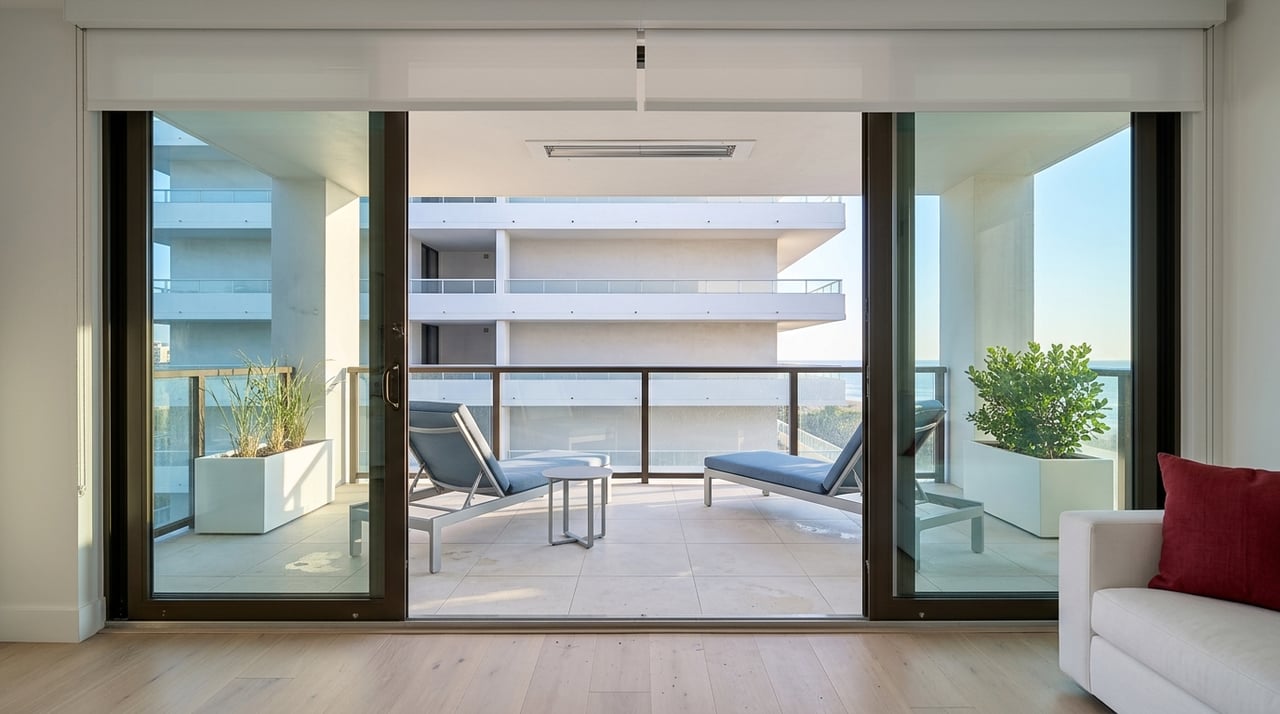
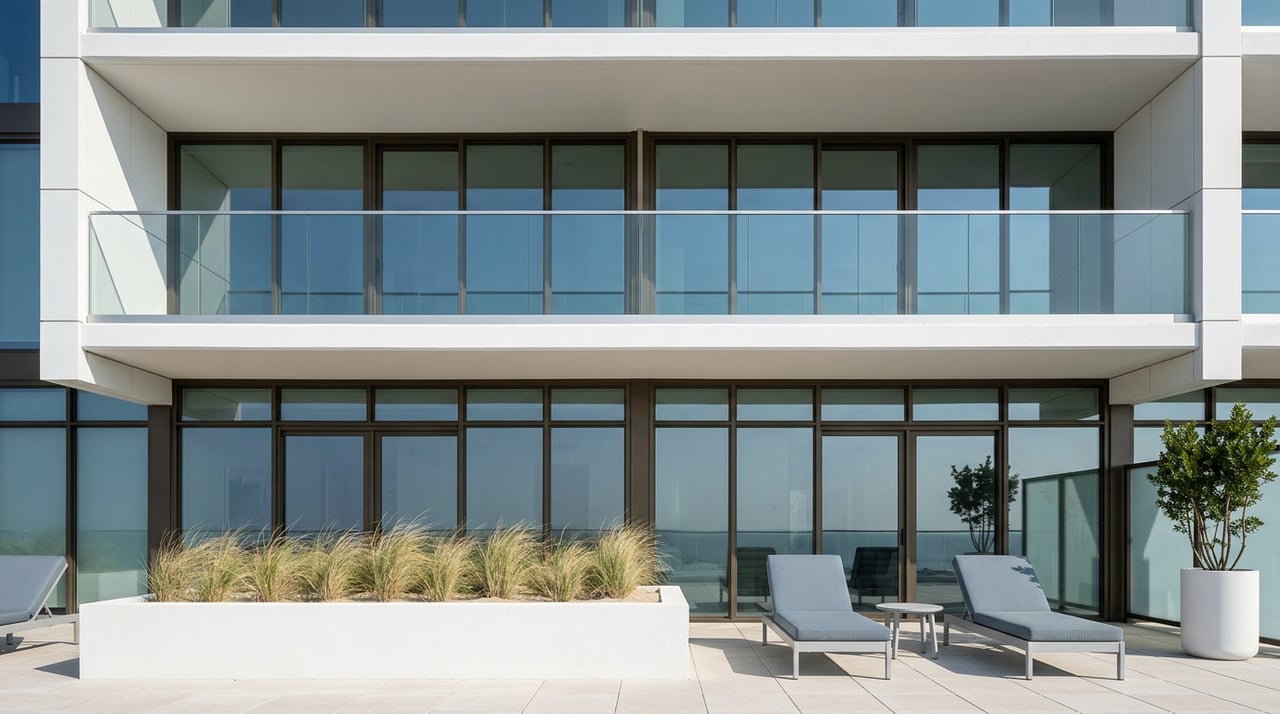
Summer tourism surges from June through August. That brings more attention to oceanfront condos and homes near the beach. Investors often shop during late spring and early summer to capture peak rental season.
Military PCS cycles
Hampton Roads hosts a large military community. Permanent change of station moves often cluster in late spring and summer. That means more listings and more buyers in a short window, with faster timelines and date-sensitive closings.
School calendar effects
Many families prefer to move between June and August so they can settle before the school year starts. You typically see more spring listings to meet that demand. If schools are a priority, spring and early summer offer the most relevant options in your target zones.
Weather and hurricane season
Atlantic hurricane season runs June through November, with activity often peaking in late summer. Active storm periods can delay showings, inspections, and closings in the short term. Smart planning helps: schedule critical repairs and inspections outside storm windows when possible.
Local events and university rhythms
Major beach events and conventions increase visibility for properties near the oceanfront. Nearby universities add steady rental demand year-round. These cycles do not overhaul single-family seasonality, but they can create short bursts of interest in certain areas and property types.
Best times to list in Virginia Beach
If your goal is maximum visibility and a faster sale, early spring is your sweet spot. Listing between March and May puts you in front of energized buyers, including families and military clients planning summer moves. Curb appeal also improves with spring light and fresh landscaping.
If spring does not fit your timeline, a late fall or winter listing can still work. You will face less competition from other sellers. Buyers who are touring then are often highly motivated, though you should plan for fewer showings and a longer time on market.
For oceanfront and short-term rental properties, consider timing your listing so buyers can evaluate summer bookings. Many sellers list in late spring to highlight rental potential just as investor interest heats up. If a storm threat is on the horizon, wait to launch until conditions stabilize.
Pricing strategy matters. In spring, tight pricing supports multiple-offer scenarios in popular price ranges. In slower months, build in realistic time for marketing and be open to concessions if your goal is a timely sale.
Best times to buy in Virginia Beach
If you want negotiating power, late fall and winter often deliver. With fewer active buyers, you may see more flexible terms and price adjustments. The tradeoff is smaller inventory, so be patient and focused.
If you want the widest choice of homes, shop in spring. Most new listings hit the market between March and June. That is ideal if you need a specific location or school alignment, but be ready for quicker competition and stronger offers.
If you are exploring vacation or investment properties, late spring and early summer can be productive. Tour early to lock in a property before peak rental months. Military and relocating buyers should start early, about three to four months before target move dates, to align financing, inspections, and closing.
During hurricane season, build extra time into inspections and contractor schedules. Weather can slow timelines, even when the broader market is active.
Season-by-season game plan
Winter: December to February
- Fewer listings, fewer buyers, more negotiating room for buyers.
- Sellers should focus on strong pricing, bright photography, and flexible showing times.
- Expect longer days on market and lean inventory.
Spring: March to May
- Surge in new listings and buyer traffic.
- Sellers get peak visibility and often faster sales when priced well.
- Buyers should tour early, write clean offers, and be prepared to move quickly.
Early Summer: June to August
- Sustained demand from family relocations and military PCS.
- Oceanfront and resort-adjacent properties see strong activity.
- Watch for short-term delays if severe weather threatens.
Fall: September to November
- Activity downshifts, and some sellers become more flexible.
- Buyers can find motivated sellers, especially if listings linger.
- Hurricane season peaks in late summer and early fall, which can affect scheduling.
Neighborhood timing insights
Oceanfront and resort areas
Expect stronger seasonality and higher summer visibility. Investor interest supports late spring and early summer listings. If you buy, tour before peak season to avoid competing with summer traffic.
Suburban family neighborhoods
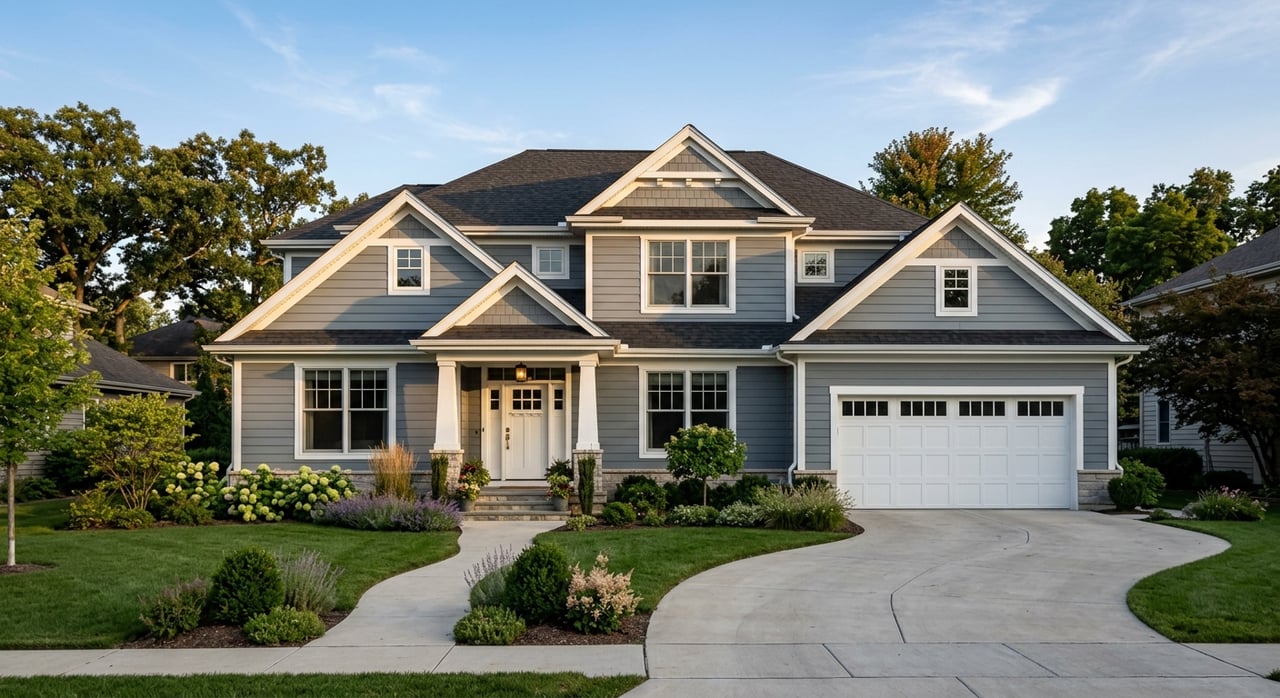
Areas like Kempsville, Great Neck, and Lynnhaven move with the school year and PCS cycles. Spring listings tend to perform well. If you must list later, pair sharp pricing with standout marketing to overcome softer demand.
New construction and rentals
Builders often ramp up releases and promotions in spring and summer. Urban and year-round rental zones are steadier, though they still see the spring bump. If you are flexible on timing, align your plans with builder incentives and promotion windows.
What to monitor before you act
You can improve timing decisions by checking a few local metrics each month. Your goal is to confirm where Virginia Beach sits in the cycle and how competitive conditions look in your price band.
- Monthly new listings and active listings at the city level.
- Median days on market by month, especially in your neighborhood.
- Median list and sale prices, plus sale-to-list price ratios.
- Inventory or months of supply to gauge market tightness.
- Short-term rental occupancy trends if you are evaluating vacation properties.
- Military PCS timing guidance if relocation is part of your plan.
- The school calendar dates if family moves are a priority.
- Storm forecasts during hurricane season for scheduling.
A quick monthly check of these metrics helps you spot the shift from slow to active, or active to softening. That is often the difference between multiple offers and price cuts.
Real-world timelines that work
Seller aiming for a spring spotlight
- Late winter: complete pre-list prep, staging, and photography.
- Early spring: launch to capture rising buyer traffic and fresh landscaping.
- Mid spring: review offers and negotiate toward a clean close before summer.
- Backup plan: if market headwinds pop up, consider a small price adjustment or targeted marketing push.
Buyer seeking leverage in the off-season
- Early fall: get pre-approved and set search alerts.
- Late fall to winter: tour selectively and negotiate terms that fit your timing.
- Winter close: plan inspections and repairs with weather in mind, then enjoy a quieter move before spring crowds return.
Your move, timed to win
You do not control the calendar, but you can use it. In Virginia Beach, spring and early summer deliver visibility and speed, while late fall and winter reward patient buyers. Your exact plan should reflect your neighborhood, property type, and must-have timeline. If you want a simple, step-by-step path designed for your goals, connect with a local expert who blends data with hands-on guidance.
Ready for VIP-level strategy and execution? Schedule a chat with Darlene "Hollywood" Gaines to time your move with confidence.
FAQs
What months see the most new listings in Virginia Beach?
- Listings typically rise in February and peak between March and June, when buyer activity is also strongest.
When do buyers have the most negotiating power in Virginia Beach?
- Late fall and winter often bring fewer buyers and more flexible terms, though inventory is usually smaller.
How do military PCS cycles affect Virginia Beach home sales?
- PCS moves cluster in late spring and summer, which increases both listings and buyer demand, and can speed up transactions.
Does hurricane season change the best time to list in Virginia Beach?
- Storm threats can delay showings and inspections in the short term, so avoid launching your listing during an active event and plan repairs outside recovery windows.
When should I shop for an oceanfront condo in Virginia Beach?
- Tour in late spring or early summer if you want to assess rental potential for peak season, or start earlier to avoid competing with summer traffic.