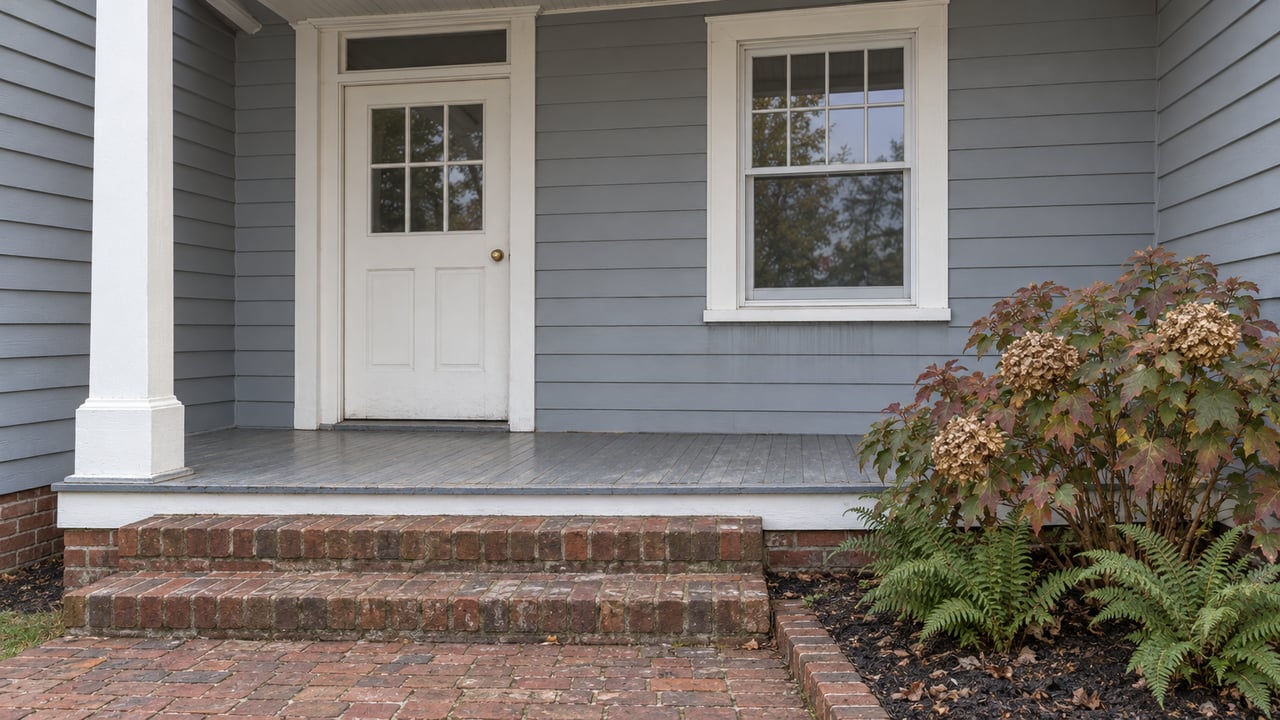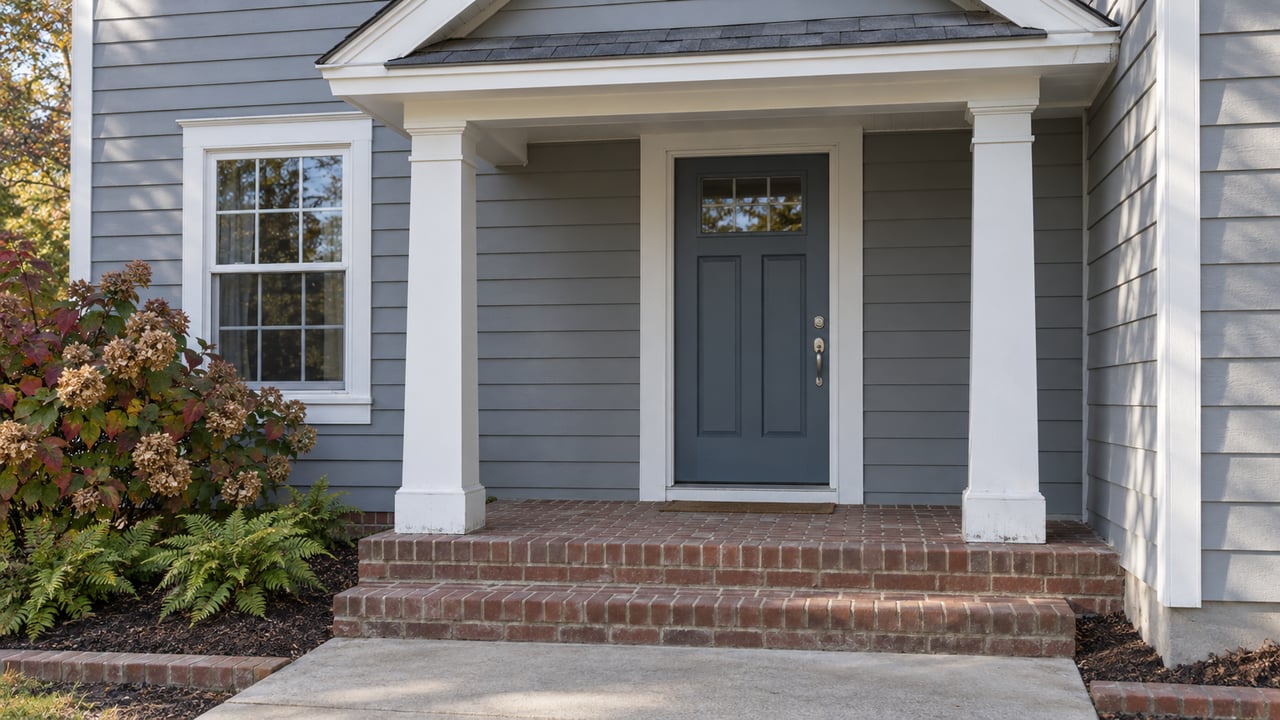
Torn between a low-maintenance condo and the freedom of a single-family home in Norfolk? You are not alone. With coastal insurance, HOA fees, parking, and commute time in the mix, the decision can feel complicated fast. This guide breaks down the tradeoffs, shows where each option shines in Norfolk, and gives you a simple framework to choose with confidence. Let’s dive in.
Condo vs single-family tradeoffs
Maintenance and control
If you want fewer weekend projects, a condo can lighten the load. Associations typically handle exterior upkeep, roofing on multiunit buildings, landscaping in common areas, and the master hazard policy under Virginia’s framework for common interest communities. You carry a unit owner policy, often called an HO-6, for your interior finishes and belongings. See the basics in Virginia’s Condominium Act and learn more about a condo owner’s policy from this HO-6 overview.
A single-family home gives you full control over materials, timing, and contractors, but all upkeep is yours. Roof, siding, yard, HVAC, and driveway repairs fall on your schedule and budget. Some buyers value this control and flexibility, while others prefer the predictability of shared maintenance.
Rules, privacy, and pets
Condos usually come with community rules. Expect guidelines on noise, pet size or count, renovations that affect exteriors, and use of amenities. In a house, you typically face fewer third-party rules, although city codes and any deed restrictions still apply. If you want a private yard, gardening space, and outdoor entertaining, a single-family home generally fits better. If low maintenance and shared amenities matter more, a condo is often the better match.
Monthly costs that matter
Your real cost picture includes more than a mortgage. In a condo, you will add monthly HOA dues that commonly cover exterior maintenance, building insurance, management, trash, and amenities. In Norfolk, dues vary widely. Many central or mid-rise buildings are roughly in the 200 to 350 dollar per month range, while amenity-rich or waterfront properties can be much higher. In a house, you skip condo dues but take on variable maintenance and full homeowners insurance.
Property taxes are part of both paths. The City of Norfolk’s adopted real estate tax rate is 1.23 dollars per 100 dollars of assessed value. Confirm the current year’s rate when you budget.
Flood exposure can add a separate policy. If a home is in a FEMA Special Flood Hazard Area, lenders typically require flood insurance. Learn the basics in FEMA’s flood insurance guidance. Norfolk’s waterfront and low-lying areas make this an important early check for both condos and houses.
Quick comparison
| Factor | Condo | Single-family |
|---|---|---|
| Exterior maintenance | Covered by HOA in most buildings | Owner responsibility |
| Insurance | HOA master policy + your HO-6 | Full homeowners policy |
| HOA dues | Yes, vary by amenities and building | Usually none |
| Rules and restrictions | Community rules and bylaws | Fewer association rules |
| Privacy and yard | Shared walls, limited private outdoor space | Private yard and more separation |
| Flood insurance | Required if in SFHA, sometimes via association for common areas | Required if in SFHA, owner policy |
Where they fit in Norfolk
Downtown and Freemason
Downtown Norfolk, Freemason, and Waterside lean condo and loft. You get walkability, restaurant access, and city views. Many buildings offer assigned or garage parking, though some rely on street parking or paid options. If you want a car-light lifestyle near The Tide light rail and the riverfront, a condo here can fit well.
Ghent and nearby
Ghent, West Ghent, and Colonial Place blend older single-family homes, historic rowhouses, and smaller condo conversions. You will find established streets, character architecture, and easy access to cultural spots. Buyers who want both neighborhood charm and some walkability often focus here, choosing between a compact condo or a larger home depending on budget and needs.
Larchmont-Edgewater and Riverview
Along the Lafayette River, neighborhoods like Larchmont and Edgewater offer many single-family homes. Expect porches, driveways, and yards within city limits. These areas often appeal to buyers who want added space and a more residential feel. Check lot elevation and any flood exposure before you write an offer.
Ocean View and bayfront
Ocean View and Chesapeake Bay frontage deliver beach and waterfront living across a mix of cottages, townhomes, and low-rise condos. It is a lifestyle choice with sand, sun, and sea breezes. Because these areas face tides and storm surge, budget time early for flood zone checks, insurance estimates, and any elevation requirements.
Flood and insurance essentials
Norfolk sits on the Elizabeth River and along the Bay, and the region has carefully tracked rising water. The Sewell’s Point tide gauge shows a long-term sea-level rise trend, which is one reason the city plans for recurrent nuisance and high-tide flooding. You can view observed trends at NOAA’s Sewell’s Point station.
What that means for you: flood risk and insurance are not afterthoughts. If a property sits in a FEMA Special Flood Hazard Area, federally backed mortgages typically require flood insurance. Start with FEMA’s terminology and basics, then ask for an Elevation Certificate and a premium estimate during due diligence. For condos, confirm what the master policy covers for the building and common areas, and what your HO-6 must cover inside the unit. For single-family homes, scope your full homeowners and flood policies together.
Parking and transit tips
Parking can make or break daily life. For condos, confirm whether parking is deeded or assigned, how many spaces you receive, and where guests can park. Some downtown addresses rely on street parking or paid garages. Review the city’s residential parking permit rules for blocks near busy destinations.
If you want to rely less on a car, note that HRT’s bus network and The Tide light rail serve the core. For commuters to Naval Station Norfolk and nearby installations, weigh rush hour patterns and tunnel traffic. A quick look at PCS resources for Naval Station Norfolk can help you think through drive times and off-base housing options.
Financing and resale realities
Condos can introduce extra financing steps. If you plan to use a VA or FHA loan, the building may need to meet program standards. The VA maintains approval procedures and guidance for condo projects, so verify status early to avoid delays. You can review the framework in the VA’s condo approval procedures.
Conventional lenders also look at warrantability. Factors like owner-occupancy rates, litigation, and investor concentration can affect eligibility and interest from future buyers. Here is a plain-English overview of warrantable vs non-warrantable condos. In many markets, single-family homes tend to draw a broader buyer pool over time, which can support resale demand. Your best move is to compare local comps by property type within the same micro-neighborhood.
Decision framework: match home to life
Use this simple filter to choose confidently:
- Budget and monthly capacity. Add mortgage, taxes, homeowners or condo insurance, HOA dues, and any flood premium. The city tax rate helps you model property taxes accurately.
- Maintenance vs rules. Prefer low maintenance and shared amenities? Lean condo. Want control, privacy, and a yard? Lean single-family.
- Lifestyle priorities. Target walkability and nightlife, or outdoor space and storage. Weigh parking convenience either way.
- Financing. If you plan to use VA or FHA, confirm condo project approval early.
- Coastal exposure. Check flood maps, elevation, and insurance estimates for any waterfront or low-lying address.
Three quick buyer profiles to help you self-sort:
- Low-maintenance urban lifestyle: Look at downtown and Freemason condos with garage parking and short commutes.
- More space and yard: Explore single-family homes in Larchmont-Edgewater, Colonial Place, and similar residential areas.
- Waterfront living: Compare low-rise condos and single-family options in Ocean View and bayfront pockets, with early flood and insurance diligence.
Norfolk buyer checklist
Use this step-by-step list to reduce surprises:
- Calculate full monthly costs. Include mortgage principal and interest, the Norfolk real estate tax rate, homeowners insurance or HO-6, HOA dues for condos, and a flood premium if the property is in or near a mapped flood zone.
- Review HOA documents. Ask for the resale packet, current budget, reserve study, meeting minutes, and insurance certificates under Virginia’s Condominium Act. Look for large projects, deferred maintenance, or pending assessments.
- Confirm financing early. If you plan a VA or FHA loan for a condo, verify building approval or the path to single-unit approval. Start with the VA’s condo approval procedures.
- Check flood risk and elevation. Review FEMA flood maps and request an Elevation Certificate where needed. Get a premium estimate using FEMA’s flood basics.
- Verify parking. Is the space deeded or assigned? How many guest spots are available? For downtown blocks, check Norfolk’s residential permit details.
- Consider commute anchors. For base-related commutes, scan PCS resources for Naval Station Norfolk and map peak-hour times.
- Plan for resale. Ask about rental rules, owner-occupancy ratios, and investor ownership. Lender guidance on warrantable vs non-warrantable condos explains why these factors matter.
- Compare nearby comps by type. Look at both condos and single-family homes in the same micro-area to understand price per square foot, days on market, and likely appreciation drivers.
Ready for red-carpet guidance?
You deserve a home that fits your life, budget, and coastal reality. If you want a trusted, concierge-level guide to help you weigh HOAs, flood risk, parking, and financing across Norfolk’s neighborhoods, connect with Darlene "Hollywood" Gaines for a Red Carpet Consultation. We will tailor options to your timeline and move you forward with confidence.
FAQs
What do Norfolk condo HOA fees usually cover?
- Many cover exterior building maintenance, common area care, management, trash, and part of the building’s insurance. Always confirm the line items and reserves in the resale packet before you offer.
How do flood zones affect buying near Ocean View?
- If a property is in a FEMA Special Flood Hazard Area, lenders typically require flood insurance, and premiums vary by elevation and risk. Check FEMA’s basics and consider observed trends from NOAA’s Sewell’s Point gauge.
Can I use a VA loan to buy a Norfolk condo?
- Possibly, if the condo project meets program standards or qualifies for single-unit approval. Verify status early and review the VA’s condo approval procedures.
Which has better resale in Norfolk, a condo or a house?
- It depends on the micro-market. Single-family homes often attract a broader buyer pool, while condos can be limited by HOA rules and financing eligibility. Compare local comps by property type before deciding.
How do I confirm parking for a downtown Norfolk condo?
- Ask whether your space is deeded or assigned, how many you receive, and where guests can park. For on-street options, review the city’s residential parking permit rules to understand availability and requirements.