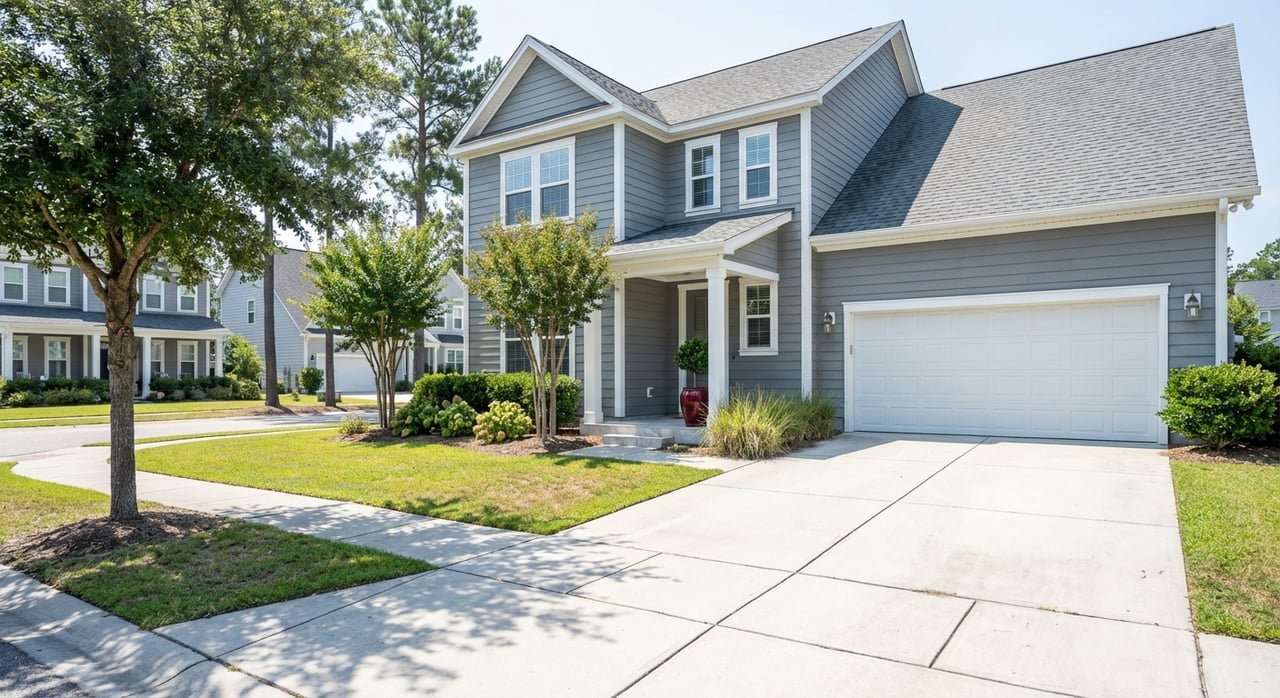
Want your Suffolk home to stop the scroll and spark strong offers? You know buyers compare condition, photos, and pricing in seconds, and small details can make or break momentum. The good news is you can control most of that with a focused plan. In this guide, you’ll learn what Suffolk buyers value, how to handle local permits and disclosures, and a step-by-step prep timeline so you launch confidently. Let’s dive in.
Suffolk market at a glance
Zillow’s Home Value Index places the average Suffolk home value at $374,067 (data through Jan 31, 2026). The same source shows a median time to pending of about 49 days. Different platforms use different data sets, so medians vary by method and by ZIP, but this gives you a practical baseline. Your speed and price will track with condition, neighborhood, and timing.
Spring is still the strongest listing window for speed and visibility across Hampton Roads, with early to mid spring often performing best. If you want to hit that window, finish prep in late winter so you can go live when buyer activity rises and curb appeal pops. Even if you list later, a clean, well-presented home can offset seasonal slowdowns.
What Suffolk buyers notice
Suffolk is a city of homeowners. According to U.S. Census QuickFacts, the owner-occupied housing unit rate is about 70.7%, and the median value of owner-occupied units is about $347,400 (2020–2024 ACS). That means many shoppers are long-term, owner-occupant buyers who care about condition and upkeep.
Across Hampton Roads, buyers tend to favor move-in ready finishes, energy-efficient features, updated kitchens and baths, and outdoor living spaces that handle our humid climate and rain. Local guides emphasize practical upgrades, durable flooring, and good yard drainage that holds up in storms. These touches help your photos shine and reduce inspection friction.
Your market-ready checklist
Documentation and disclosures
- Start with the Virginia Residential Property Disclosure. Review the DPOR form and any addenda that apply to your property. Provide it early so buyers feel informed and confident. See the DPOR Residential Property Disclosures page.
- If you are in an HOA or POA, order the resale packet now. Late delivery can affect buyer timelines and rights. DPOR’s disclosure forms page outlines what may be required.
- Gather service and repair records for roof, HVAC, plumbing, and any permitted work. Note whether you are on public sewer and water or private well and septic, and pull related records if applicable.
- If your home is near waterways or the Nansemond River, check your flood zone, and locate any elevation certificate or flood insurance details. Buyers will ask about drainage, flood history, and mitigation steps.
High-value repairs and inspections
- Address any leaks, HVAC issues, electrical hazards, or active moisture intrusion before photos. These turn into price cuts if left unresolved.
- In this region, wood-destroying insect and moisture issues are common. A pre-list WDI check and moisture assessment can prevent last-minute surprises.
- If your property is near creeks or tributaries, be aware that past storms have caused sewage and stormwater overflows in parts of Hampton Roads. Document any drainage improvements, backflow devices, or system service so buyers see clear, proactive care. Local reporting on overflows provides useful context.
Curb appeal and exterior
- Power-wash siding and porches, refresh trim and front door paint, and ensure gutters and downspouts carry water well away from the foundation.
- Trim shrubs and low branches to reveal clean lines of the house. Re-edge and mulch beds for a tidy, photo-ready look.
- For waterfront lots, clean dock access and gather documents for any permitted shoreline work so buyers see responsible stewardship.
Interior polish and staging
- Declutter, depersonalize, and deep clean. Focus on kitchens, baths, and the primary suite.
- Touch up or repaint in light, neutral tones. Replace burned-out bulbs and add soft lamps to brighten darker corners.
- Fix small but visible items like cracked grout, loose hardware, or fogged window panes. These simple tweaks create a move-in ready impression.
- Staging and great photos matter. Industry reporting tied to NAR findings shows staging can reduce days on market and lift offers. See the NAR staging summary.
Marketing assets that sell
- Hire a real estate photographer for wide-angle interiors and twilight exteriors. Ask for a floor plan and, if possible, a 3D tour to help out-of-area buyers.
- For waterfront or acreage, consider drone photos to show lot lines, water proximity, and outdoor living potential.
- Write listing copy that highlights verified facts buyers value, like roof age, recent HVAC service, flood insurance details, and utility efficiency.
Pricing and launch plan
- Price with a neighborhood-specific CMA that accounts for ZIP-level trends, flood exposure, and recent days-on-market. Portal medians vary, so lean on the freshest local comps.
- Finalize your price and go live midweek for weekend traffic. National listing-day analyses often point to Thursday.
- Plan early showings, prompt feedback requests, and an open house your first weekend to capture pent-up demand.
Timeline: 8 to 12 weeks to launched
Use this practical schedule to finish strong without scrambling.
Weeks 8 to 12: Plan and clear
- Start disclosures and collect records. Begin with the Virginia Residential Property Disclosures.
- Confirm your flood zone, and locate any elevation certificate and flood insurance documents. For regional sea-level context and planning, explore the VIMS maps.
- If you will add or repair exterior features like decks, fences, driveways, or large sheds, confirm what permits or zoning approvals you need. Use the City of Suffolk permits portal.
Weeks 6 to 8: Repairs and services
- Service HVAC, repair roof leaks, address moisture in crawlspaces or basements, and schedule a WDI check.
- Fix safety issues first, then cosmetic fixes with high photo impact.
- Save receipts and before-and-after photos to boost buyer confidence.
Weeks 3 to 6: Staging and polish
- Declutter, paint, and stage your key rooms. Rent or borrow a few modern pieces to brighten and scale rooms correctly.
- Book professional photography for right after staging. Add a floor plan and 3D tour if possible.
- Draft listing copy that features verified improvements and practical benefits.
Weeks 1 to 2: Final prep and launch
- Complete deep clean, yard touch-ups, and window washing. Confirm gutters and downspouts are clear.
- Upload photos, floor plan, and tour. Confirm all disclosures and HOA resale packets are ready to deliver.
- List on a Thursday if possible, and schedule your first open house for the weekend.
Waterfront or rural properties: extra steps
- Flood and drainage: Note your flood zone and any mitigation, like French drains, sump systems, or elevated mechanicals. For buyers new to the region, reference regional planning context with the VIMS sea-level maps.
- Insurance and documentation: Share elevation certificates and current flood insurance costs if applicable. Clear, factual info reduces back-and-forth.
- Septic and well: Pull service logs, pump records, and any recent inspections. Mark well and septic locations on a simple site sketch to help buyers and inspectors.
- Shoreline and docks: If work required permits, have paperwork ready. Clean access paths and remove debris for safe showings.
Why this works in Suffolk
You are speaking directly to what local buyers expect while handling Virginia’s required disclosures and Suffolk’s practical rules. You are also removing common objections early by fixing moisture and drainage issues, presenting complete records, and investing in pro visuals. The result is a cleaner launch, fewer concessions, and better leverage when the right offer arrives.
Ready to roll out the red carpet for your sale? Let’s make your Suffolk home a standout from day one. Reach out to Darlene "Hollywood" Gaines to plan your market-ready strategy and schedule professional prep, pricing, and launch support.
FAQs
How long do Suffolk homes take to sell right now?
- Zillow’s data through Jan 31, 2026 shows a median time to pending of about 49 days, with timelines varying by ZIP, condition, and price point.
When is the best month to list in Suffolk?
- Early to mid spring often delivers faster sales and better visibility; finish prep in late winter so you are ready to launch as buyer activity rises.
What disclosures do Virginia sellers need to provide?
- Virginia uses the DPOR Residential Property Disclosure; review it early and include any applicable addenda so buyers feel fully informed.
Do I need permits for fences, decks, or sheds in Suffolk?
- Many exterior projects require zoning or building permits; check your specific scope in the City of Suffolk permits portal before starting work.
How should I prepare if my home is near waterways or low-lying areas?
- Gather flood zone info, any elevation certificate, and flood insurance details; maintain gutters and drainage, and document any mitigation so buyers see proactive care.
Is staging really worth it in Suffolk?
- Yes; industry reporting tied to NAR findings shows staging can shorten time on market and strengthen offers, especially when paired with pro photography.