If you only picture Williamsburg as a place for history tours and weekend visitors, you might miss what makes it appealing to live there day to day. For residents, Williamsburg is more than its historic attractions. It is a layered small city with established neighborhoods, newer mixed-use areas, strong park access, and routines shaped by the seasons, the university, and a steady flow of visitors. If you are considering a move, this guide will help you picture what everyday life in Williamsburg can really feel like. Let’s dive in.
Williamsburg Feels Smaller Than It Looks
Williamsburg’s own planning documents describe the city through a mix of neighborhoods, open spaces, the Colonial Williamsburg Historic Area, and the William & Mary campus. They also point growth toward mixed-use districts like Downtown, Midtown, Northeast Triangle, High Street, and Quarterpath Road. That gives the city a more varied feel than many people expect.
In practical terms, daily life is not centered in just one area. You may spend time in a neighborhood near campus, run errands in a mixed-use district, and head to a park or trail on the weekend. That mix helps Williamsburg feel connected without feeling overly busy all the time.
Neighborhoods Offer Different Lifestyles
Williamsburg includes a wide range of neighborhood areas shown on city maps, including Braxton Court, College Terrace, Chandler Court, Highland Park, Matoaka Court, Pollard Park, Port Anne, Richmond Hill, West Williamsburg, and West Williamsburg Heights. The city also identifies communities such as Patriot, Peppertree, Village Green, Westgate at Williamsburg, Woodlands, and Wyndham. For you as a buyer, that means there is no single "Williamsburg lifestyle."
Some areas feel closer to the historic core and campus, while others offer a more tucked-away residential setting. Your daily routine may look very different depending on whether you want quick access to local activity, a low-maintenance setup, or a more traditional neighborhood pattern.
Historic-Core Living Near Campus
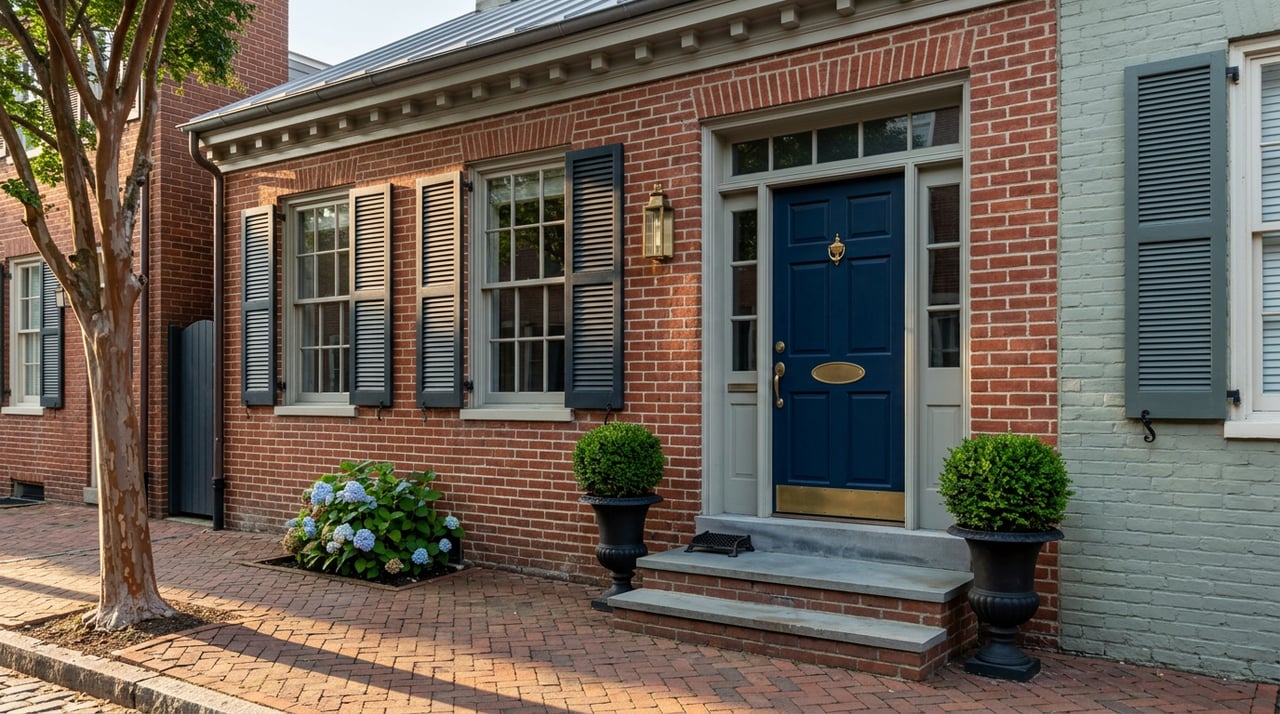
If you are drawn to older homes and established streetscapes, the areas near the historic core and William & Mary may stand out. College Terrace is one example of this character. It was developed by William & Mary in the late 1920s and early 1930s for professors and fraternity houses, and the city describes it as largely Colonial Revival with a landscaped median that creates a parkway feel.
Living near campus also comes with a specific rhythm. The city notes that quality of life in neighborhoods around William & Mary involves coordination among the city, university, students, neighbors, and landlords. That tells you something important: near-campus living can feel lively, active, and shaped by the academic calendar.
Mixed-Use and Low-Maintenance Options
If you prefer a more modern setup, Williamsburg also offers mixed-use areas and lower-maintenance housing patterns. New Town is a strong example. Its residential association describes it as a walkable community where residential, commercial, and public spaces are integrated.
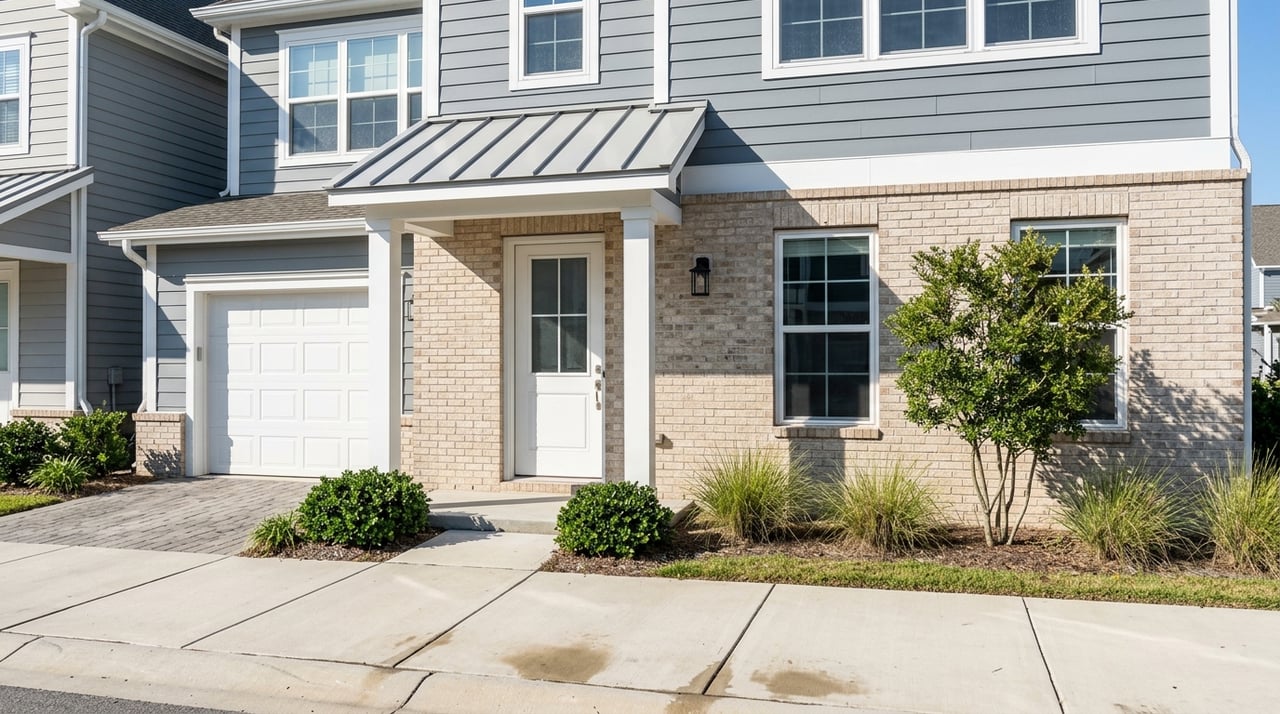
That kind of layout can make daily life easier if you like having shops, dining, and services closer to home. It also reflects a broader local pattern. Williamsburg is planning for housing types that support first-time buyers, workforce housing, accessory dwelling units for aging in place, and preservation in historic neighborhoods.
Daily Errands Are Spread Across Several Hubs
One of the biggest surprises for newcomers is that Williamsburg’s day-to-day shopping and dining are not limited to the historic district. William & Mary’s local area guide points to Merchants Square and Prince George Street, but it also highlights Scotland Street, Tribe Square on Richmond Road, the Edge District, High Street, Midtown Row, New Town, and the Williamsburg Premium Outlets.
That means your routine will likely involve a mix of walkable pockets and short drive trips. In some parts of Williamsburg, you can enjoy a more compact feel. In others, convenience comes from knowing your favorite local nodes for coffee, groceries, dining, and everyday stops.
Walkability Depends on the Area
Williamsburg can feel walkable in the compact core and in newer mixed-use districts. At the same time, the spread of shopping and service areas means many residents still organize life around a car. That does not make the city inconvenient. It simply means your experience of "close by" can change depending on where you live.
For some buyers, that balance is a plus. You can enjoy the charm of a smaller city while still having several practical shopping and dining zones to choose from.
Transit Adds Another Option
Williamsburg Area Transit Authority routes serve the broader city area, and William & Mary contracts with the system for student, faculty, and staff transportation. For residents, that adds another layer to getting around, especially in and around campus-oriented parts of the city.
Even if you drive most of the time, it helps to know there is an established transit network in place. That can matter if you want flexibility in your daily routine or easier access to key city areas.
Outdoor Life Is a Big Part of Living Here
For many residents, the real lifestyle advantage in Williamsburg is how easy it is to get outside. The city and surrounding county offer a strong mix of parks, trails, water access, and casual recreation. You do not have to plan a major outing to enjoy nature here.
Whether you want a quiet walk, a dog-friendly park, a paddle on the water, or a more active trail day, there are options close to everyday life. That kind of access can shape your week just as much as restaurants or shopping.
Waller Mill Park Is a Local Anchor
Waller Mill Park is one of the clearest examples of resident-focused recreation in Williamsburg. The city says the park covers 2,705 acres around a 360-acre lake. It offers fishing, boating, canoeing, kayaking, trails, a disc golf course, a dog park, picnic shelters, playgrounds, and a fishing pier.
That range of activities makes it useful for many kinds of routines. You might head there for a quick walk, a family outing, or a slower weekend morning by the water. The park’s longer warm-weather hours also show how much outdoor life expands in the summer months.
County Parks Expand Your Options
James City County adds even more recreation beyond the city limits. The county reports 17 parks, 1,711 acres of park land, more than 3,000 programs a year, and two recreation centers. Residents also have access to the Chickahominy and James Rivers, the Colonial Parkway, and the Virginia Capital Trail.
That bigger network gives Williamsburg-area living a flexible feel. You can keep things simple with a nearby park, or you can build an entire weekend around biking, paddling, birding, or exploring a different outdoor setting.
Trails and Nature Are Easy to Reach
The county’s parks and trails system includes places like Powhatan Creek Park, Greensprings Interpretive Trail, Jamestown Beach, Chickahominy Riverfront Park, and Freedom Park. Greensprings Interpretive Trail alone has more than 200 documented bird species, which gives you a sense of the area’s natural variety.
Freedom Park is especially notable if you like more active recreation. The county describes it as a 600-acre forested retreat with about 25 miles of multiuse and mountain-bike trails, a 1-mile ADA-accessible paved trail, Go Ape Zipline & Adventure Park, and the Williamsburg Botanical Garden.
York River State Park adds yet another layer with more than 40 miles of hiking, biking, and equestrian trails, along with paddling access, a fishing pier, picnic shelters, and estuarine education. If outdoor access matters to you, Williamsburg has depth well beyond a few scenic spots.
Seasons Shape the Local Routine
Williamsburg’s climate plays a real role in how the city feels across the year. Virginia is described by the Virginia Department of Conservation and Recreation as humid subtropical, with warm to hot summers and mild winters. That creates a rhythm many residents quickly notice.
Spring and fall are often the easiest seasons for outdoor routines. Summer tends to bring heat and humidity, while winter is usually quieter and more indoor-oriented. If you move here, your favorite local habits may change with the weather more than you expect.
Visitor and Campus Surges Matter
Williamsburg says it protects about 16,000 residents, and the population can more than double at times because of out-of-town guests and college students. The city also identifies tourism and education as part of the local economic base. So even if you are not visiting attractions, those patterns still affect traffic, energy, and activity levels.
For residents, that often means learning the seasonal rhythm. Some times of year feel more social and active, while others feel calmer and easier to navigate. Knowing that can help you choose the kind of neighborhood and daily pace that fits you best.
Warm Weather Brings More Community Activity
James City County’s Parks & Recreation calendar gives another clue about local life. Recent programming has included yoga, swim classes, outdoor concerts, Family Health & Fitness Day, and the Longest Day of Play. The county also notes that its spring and summer brochure runs through August.
That tells you a lot about how the area lives in warmer months. Community life becomes more event-driven, more outdoorsy, and more social as the weather opens up.
What Everyday Life in Williamsburg Really Feels Like
The best way to think about Williamsburg is as a place with layers. Yes, the historic district matters. But for residents, daily life is just as much about neighborhoods, mixed-use centers, local dining corridors, park access, and the changing rhythm of the year.
If you are looking for a city that blends established character with practical convenience, Williamsburg offers a lot to consider. You can find older neighborhood charm, contemporary low-maintenance options, access to nature, and routines that feel grounded in both community and flexibility.
When you are ready to explore what that lifestyle could look like for you, Darlene "Hollywood" Gaines can help you make your move with VIP care and local insight.
FAQs
What is everyday life like in Williamsburg, VA, for full-time residents?
- Everyday life in Williamsburg is shaped by a mix of neighborhoods, mixed-use districts, park access, university influence, and seasonal tourism rather than the historic attractions alone.
What types of neighborhoods can you find in Williamsburg, VA?
- Williamsburg includes established areas near the historic core and campus, along with newer residential pockets, condo communities, and mixed-use settings like New Town.
Is Williamsburg, VA, walkable for daily errands?
- Some parts of Williamsburg, especially the compact core and newer mixed-use districts, feel more walkable, but many residents still rely on short car trips for errands.
What outdoor activities are available near Williamsburg, VA?
- Residents have access to Waller Mill Park, county parks, trails, river access, biking routes, paddling spots, and nature-focused areas like Freedom Park and York River State Park.
How do seasons affect daily life in Williamsburg, VA?
- Spring and fall support the most outdoor activity, summer brings heat and humidity with more events and visitors, and winter tends to be quieter and more indoor-focused.
Does living near William & Mary change the feel of Williamsburg, VA?
- Yes, neighborhoods near William & Mary can have a distinct rhythm shaped by students, staff, university activity, and the academic calendar.