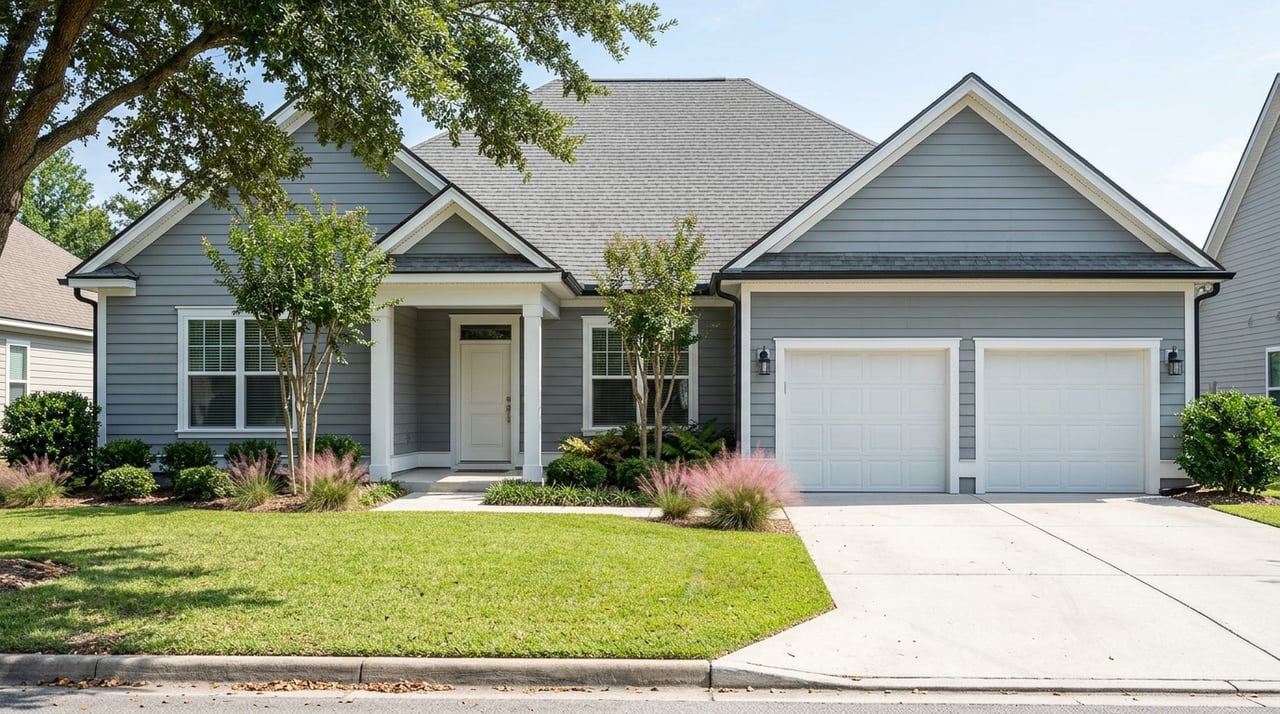
If you want more room to spread out without feeling cut off from the rest of Hampton Roads, Suffolk may already be on your radar. A lot of buyers are drawn to the idea of extra space, a calmer daily pace, and practical access to work, shopping, and regional destinations. The good news is that Suffolk really does offer that mix, but it helps to understand how different one part of the city can feel from another. Let’s dive in.
What living in Suffolk feels like
Suffolk offers a mix that can be hard to find in one place. The city describes itself as having a small-town feel with larger-city convenience, and its planning documents back that up with a landscape that includes downtown streets, suburban growth areas, villages, rural land, waterways, and open space.
That variety matters when you are deciding where to live. Suffolk is the largest city in Virginia by land area, covering 430 square miles, so your day-to-day experience can look very different depending on which part of the city you choose.
Suffolk is not one-size-fits-all
One of the biggest things to know about living in Suffolk is that it is not a single-style market. The city’s long-range planning identifies two main development centers: the historic downtown core and the newer northern core, with rural areas and villages shaping much of the land in between and beyond.
In practical terms, that means you are not choosing between just “city” or “suburb.” You are choosing among a more traditional downtown setting, suburban-style communities, mixed-use growth areas, and places with a more open, rural feel.
Downtown Suffolk offers a traditional feel
Downtown and the town center areas are described in the city’s plan as compact, walkable, and mixed-use. You can expect a more traditional layout where commercial uses, offices, and homes can exist near each other, with detached homes, attached homes, and small apartment buildings extending outward from the core streets.
If you like the idea of a more established setting, this part of Suffolk may stand out. The city also highlights downtown shops and family restaurants, which adds to that classic small-town atmosphere many buyers are looking for.
Northern Suffolk feels more suburban
The northern core has a different rhythm. According to the city’s plan, this area is more suburban in character, with larger commercial developments and shopping centers surrounded by residential subdivisions.
This part of Suffolk can appeal to buyers who want newer development patterns and convenient access to everyday services. The plan also notes a mix of single-family detached homes, attached homes, and multifamily buildings in parts of the northern growth area.
Rural and open areas shape the city
Suffolk’s identity is also strongly tied to land and open space. The comprehensive plan describes the city as predominantly rural, which is a big reason Suffolk often feels less dense and less rushed than many nearby areas in Hampton Roads.
For you, that can translate into more breathing room and a stronger sense of separation between development areas. It also helps explain why buyers who want space often give Suffolk a serious look.
What kinds of homes you may find
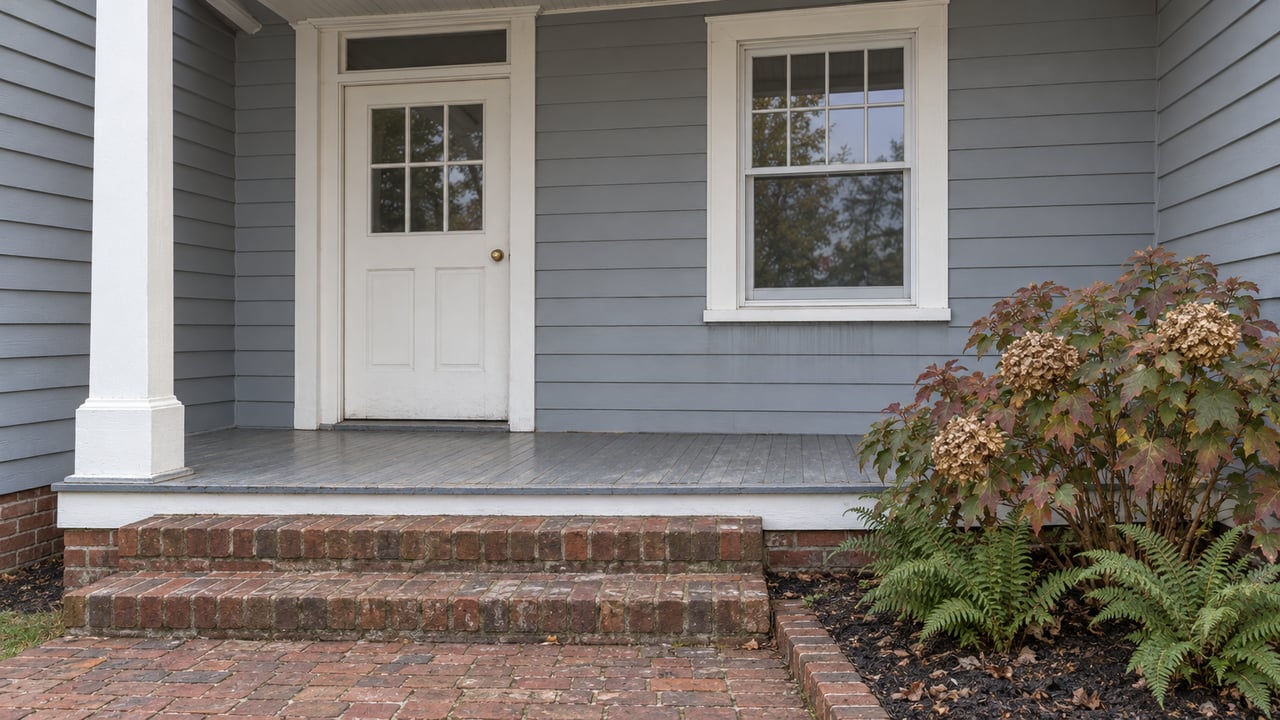
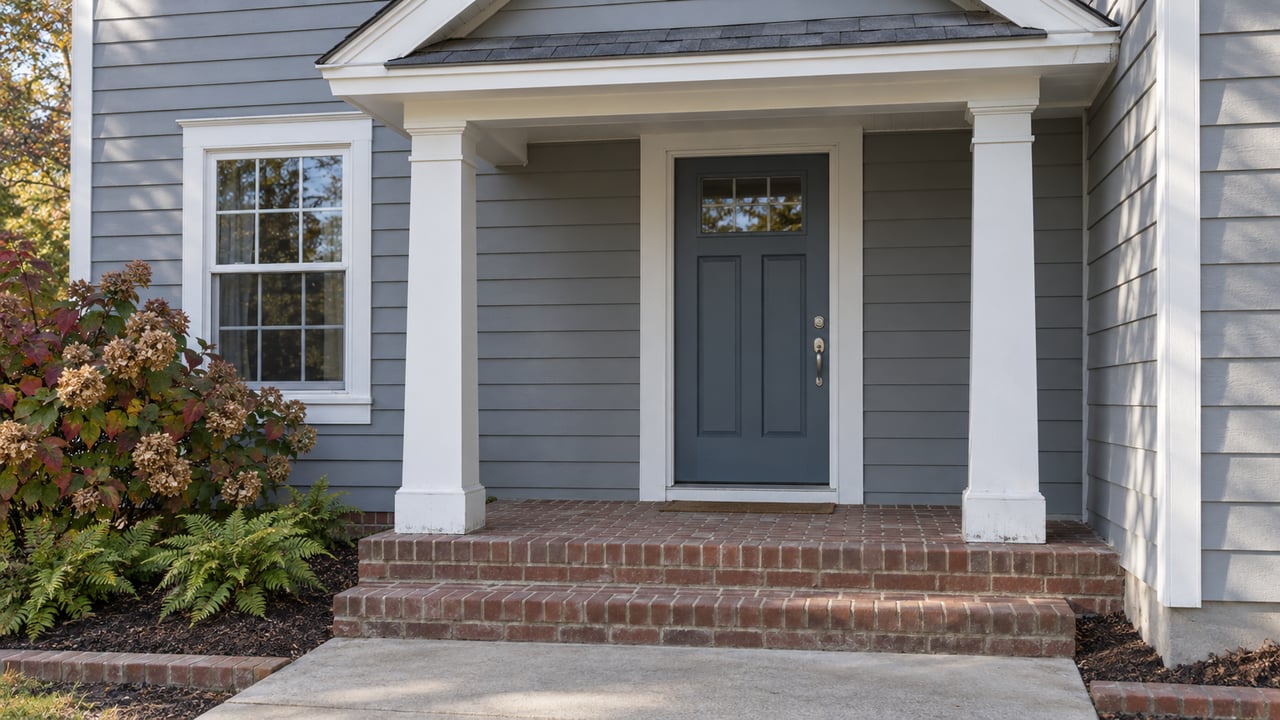
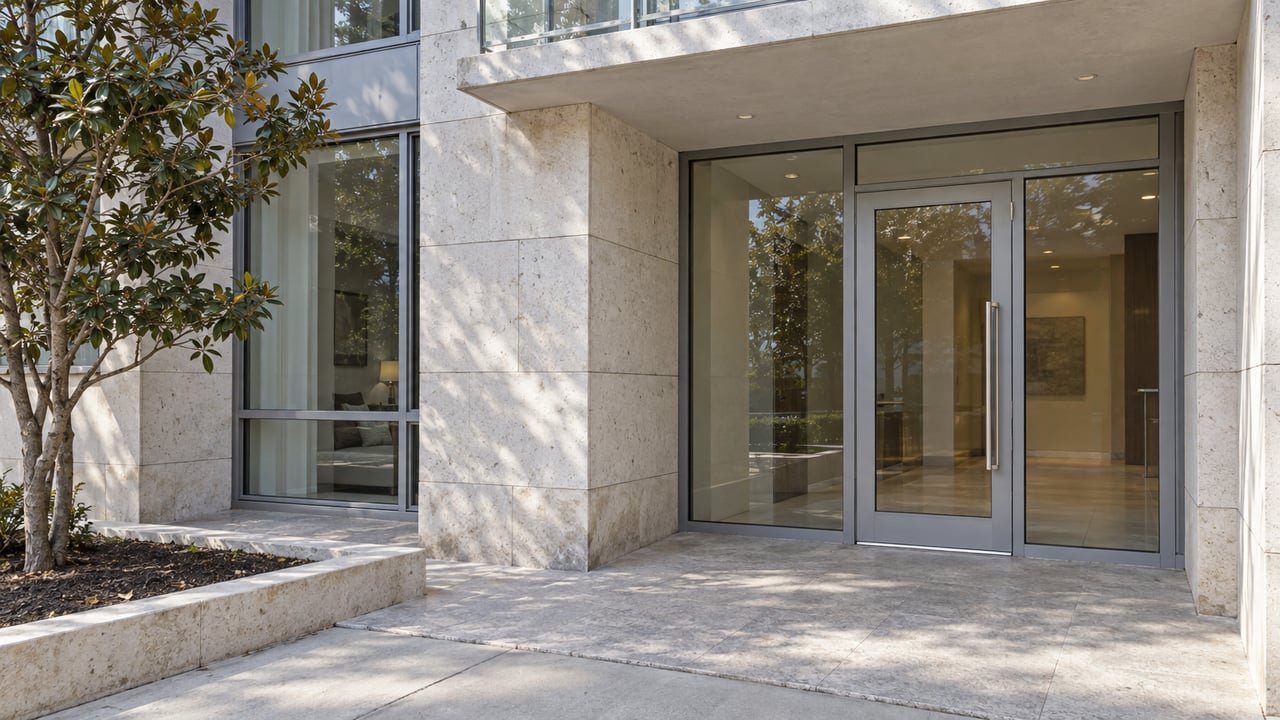
Because Suffolk has several distinct development patterns, the housing options are broad. The city’s planning documents support a mix that includes older in-town homes, small apartment buildings near the center, suburban subdivisions, attached homes, and mixed-use communities in the north.
That range is useful if you are in a transition season. Whether you are buying your first home, upsizing for more room, or looking for a home base with easier regional access, Suffolk gives you multiple housing styles to compare.
Historic homes can come with extra review
If you are drawn to older homes in the historic district, there is one important detail to keep in mind. Suffolk’s Historic Overlay District regulates exterior changes to help protect the area’s historic character and cultural heritage.
That does not mean historic ownership is a bad fit. It simply means you should expect more oversight for certain exterior updates than you would in a typical newer subdivision.
Commuting from Suffolk to Hampton Roads
A common question is whether Suffolk feels too far out for a regional commute. The answer depends on your route, your schedule, and where in Suffolk you live, but the city is clearly connected to the rest of Hampton Roads.
Suffolk is part of the Hampton Roads region and the Norfolk, Virginia Beach, Newport News metro area. The city says it is about 20 miles from Norfolk, 90 miles from Richmond, and 200 miles from Washington, D.C.
Major road access supports regional travel
For many households, driving is the main way to get around. Suffolk’s road access includes connections through I-664 and I-64/I-264 to the Route 58, 460, and 13 corridor, with access shaped by the Bowers Hill interchange and routes leading toward downtown.
That network matters if you work elsewhere in Hampton Roads but want more space at home. It also gives you a better sense of why Suffolk remains a realistic option for many buyers with regional job ties.
Park and Ride adds another option
Suffolk also offers free Park and Ride lots designed to support work trips across the region. The city says these lots serve commuters heading to places such as Norfolk Naval Shipyard, Newport News Shipbuilding, Smithfield Foods, and other Hampton Roads destinations.
For buyers planning a relocation, especially those balancing work access with housing space, this can be a meaningful benefit. It gives you another tool for managing a commute beyond a simple door-to-door drive.
Transit exists, but it is limited
Suffolk Transit provides fixed-route service in downtown Suffolk and Northern Suffolk. Service includes a connection from Downtown to Hampton Roads Transit in the Chesapeake Square area and onward to the North Suffolk Library, along with routes serving Harbour View and retail stops like Kroger and Walmart.
That said, transit is targeted rather than citywide. If you are considering Suffolk, it is smart to think about how often you want to rely on a car and whether your preferred area lines up with available service.
Everyday life in Suffolk
Lifestyle matters just as much as square footage. Suffolk’s appeal is not only about where you can drive from, but also about what your regular week can feel like once you are home.
The city maintains more than 1,350 acres of parkland and trails through its Parks and Recreation system. That scale supports a more outdoor-oriented lifestyle and gives residents more ways to enjoy open space close to home.
Parks and trails are a real part of the draw
One of the clearest examples is Lone Star Lakes Park. The park covers 1,063 acres and includes 11 lakes, nature trails, picnic areas, fishing access, an archery range, and a horse trail.
If you picture your free time including fresh air, water views, walking trails, or more room to unplug, that helps explain why Suffolk feels different from more tightly built urban areas. Space is not just something you see on a lot line here. It is part of the broader environment.
Daily errands are built into key areas
Suffolk’s lifestyle also works because activity is not limited to one single center. Downtown offers shops and family restaurants, while northern service nodes are tied to places such as Harbour View, Sentara Belle Harbour, Kroger, and Walmart through local transit routes.
That mix can make day-to-day living feel more balanced. You can have access to practical errands and services while still enjoying a setting that often feels less crowded.
Is Suffolk right for you?
Suffolk can be a strong fit if you want a home in Hampton Roads with more room, a less hurried feel, and still enough regional access to stay connected. It may also appeal to you if you like having options, because the city includes historic, suburban, mixed-use, and rural-style environments rather than one uniform pattern.
The key is knowing what kind of Suffolk experience you want. A buyer who loves a traditional downtown setting may focus on the historic core, while someone prioritizing subdivision living and shopping access may look harder at Northern Suffolk.
If you are weighing a move to Suffolk, it helps to have local guidance that goes beyond broad descriptions. The right strategy is to match your daily routine, commute needs, and housing goals to the part of the city that fits you best. When you are ready for a VIP, local-first approach to your Hampton Roads move, connect with Darlene "Hollywood" Gaines.
FAQs
What is the overall feel of living in Suffolk, VA?
- Suffolk combines a small-town feel with larger-city convenience, and the city includes downtown, suburban, village, rural, and open-land areas.
What types of homes can you find in Suffolk, VA?
- Buyers may find older homes near the historic core, small apartment buildings near the center, suburban subdivisions, attached homes, and mixed-use residential areas in Northern Suffolk.
Is Suffolk, VA good for commuting around Hampton Roads?
- Suffolk has major road connections, free Park and Ride options for regional commuters, and limited fixed-route transit in downtown and Northern Suffolk.
Does Downtown Suffolk have a different feel than Northern Suffolk?
- Yes. Downtown is described as compact, walkable, and mixed-use, while Northern Suffolk is more suburban with larger commercial areas and surrounding residential communities.
Are there outdoor amenities in Suffolk, VA?
- Yes. Suffolk maintains more than 1,350 acres of parkland and trails, and Lone Star Lakes Park alone includes 1,063 acres with lakes, trails, fishing access, picnic areas, and more.
Do historic homes in Suffolk come with special rules?
- Homes in the Historic Overlay District may be subject to extra review for exterior changes to help preserve the district’s historic character and cultural heritage.