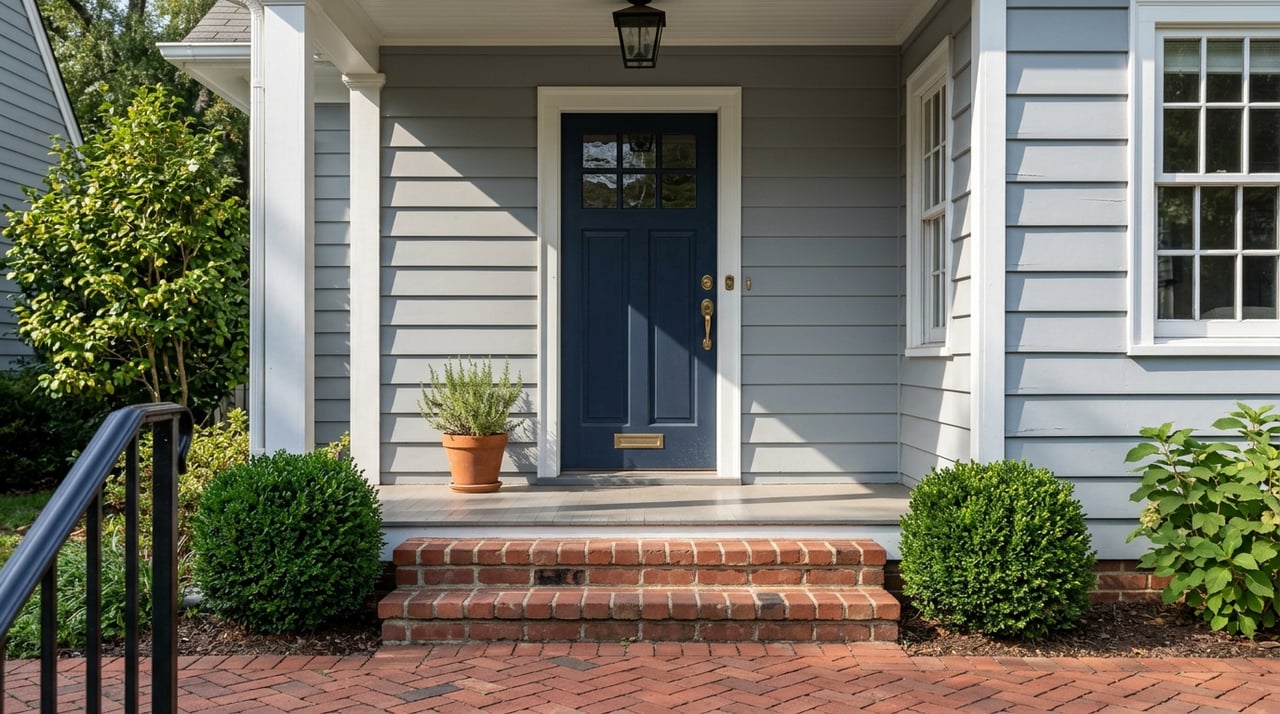
Thinking about buying an older home in Portsmouth? You may be drawn to the charm first, like a deep front porch, original wood details, or a layout that feels full of character. But with that charm comes a different kind of homework than you might expect with a newer home. If you know what to look for, you can make a smart decision and enjoy the history without getting caught off guard. Let’s dive in.
Portsmouth’s Older Homes Have Distinct Character
Many of Portsmouth’s older homes are found in the city’s historic districts, including Cradock, Olde Towne, Park View, Port Norfolk, and Truxtun. These areas give you a strong sense of the city’s architectural history and the kinds of homes you may encounter as a buyer.
In Olde Towne, you may see tall, narrow Federal and Greek Revival townhouses, above-ground basements, long wooden steps, and Victorian homes with porches and ornate woodwork. In Park View, many homes were built in the late 1800s and early 1900s, with front porches, wood construction, and Queen Anne design details.
Port Norfolk includes freestanding wooden homes ranging from Queen Anne styles to bungalows. Cradock and Truxtun both began in 1918 as wartime government housing communities and still retain much of their original character.
For you as a buyer, that often means features like raised entries, front porches, wood trim, and room layouts designed for a different era. These details can be a big part of the appeal, but they also shape what ownership and upkeep may look like over time.
Expect Systems That May Need Attention
One of the biggest surprises for buyers is that older homes do not always adapt easily to modern mechanical systems. According to the National Park Service guidance on heating and cooling in historic buildings, HVAC, electrical, and related upgrades need thoughtful planning because poor installation can damage historic materials, weaken structural elements, or create moisture problems.
That does not mean an older Portsmouth home is a bad investment. It means you should go in with realistic expectations. If the home has older electrical service, aging HVAC equipment, or past system updates that were done without much coordination, you may need to budget for improvements sooner rather than later.
A smart approach is to look at the house as a whole system. Heating, cooling, ventilation, and preservation work are often connected, especially in homes where original materials and older construction methods still matter.
Moisture Control Matters More Than You Think
In older homes, moisture can become the issue behind many other problems. The National Park Service recommends keeping roofs weather-tight, repairing flashing and downspouts, checking roofing at least annually in the spring, and maintaining openings around windows and doors.
For you, this means your inspection should not stop at cosmetic appearance. A beautiful porch or original trim can still hide problems if drainage has been poor or if water has been getting where it should not.
Pay close attention to:
- Roof condition
- Gutters and downspouts
- Grading and drainage around the home
- Signs of water intrusion near windows and doors
- Masonry condition and repointing needs
- Foundation moisture concerns
The same guidance also notes that vines and moisture-holding vegetation should be kept away from walls and foundations. That is one more reminder that maintenance in an older home is often ongoing and preventive, not just reactive.
Windows May Be Repairable
Many buyers assume older windows always need to be replaced. That is not necessarily true. The National Park Service advises that historic features should be repaired rather than replaced when possible, and that improvements like storm windows and weatherstripping can help performance without removing historic materials.
That can be especially important if you are buying in one of Portsmouth’s historic districts. Original windows may be part of the home’s character, and replacement choices may affect both appearance and any future approval process for exterior work.
If windows are drafty or hard to operate, that is worth evaluating carefully. But the right question is not always “Should these be replaced?” Sometimes the better question is “Can these be repaired and improved?”
Energy Efficiency Takes a Different Strategy
If you are used to newer homes, you may expect insulation and efficiency upgrades to be simple. In an older Portsmouth home, the process usually needs more care. The National Park Service weatherization guidance recommends starting with an energy audit, then focusing on targeted air sealing, window and door improvements, efficient mechanical systems, and carefully placed insulation.
In other words, the best plan is not always a full gut renovation. Thoughtful, staged improvements often make more sense and can help you improve comfort while preserving the home’s design and materials.
Termites and Moisture Can Go Hand in Hand
In Virginia, termite vigilance is important, especially with older homes. Virginia Cooperative Extension explains that subterranean termites commonly enter from the soil, and it also notes that structural moisture problems can be as damaging as termite activity.
That connection matters because moisture issues can create conditions that make pest concerns more likely or harder to spot. When you buy an older home in Portsmouth, it is wise to take both moisture and pest inspection seriously rather than treating them as separate topics.
Historic District Rules Can Affect Renovations
If the home is inside one of Portsmouth’s historic districts, exterior changes usually require a Certificate of Appropriateness from the city. Portsmouth says an approved COA is required before other applications can be filed, and the Historic Preservation Commission reviews applications using local standards and the Secretary of the Interior’s rehabilitation guidelines.
That does not mean you cannot make updates. It means exterior work may need more planning, especially if you want to change windows, doors, roofing materials, siding details, or other visible features.
If replacement is necessary, the National Park Service recommends that new work match the old as closely as possible in design, color, texture, and visual qualities. For you, that means renovation decisions are not just about cost and convenience. They are also about compatibility with the home’s existing character.
Inspection Priorities for Older Portsmouth Homes
A general home inspection is important, but with an older home, you will want extra focus on the areas most tied to preservation and moisture control. Based on the research, these are some of the most important items to evaluate:
- Roof condition and life expectancy
- Flashing, gutters, and drainage performance
- Window and door condition
- Masonry and repointing needs where applicable
- HVAC system age and installation quality
- Electrical system updates and capacity
- Signs of ongoing moisture intrusion
- Evidence of pest activity, including termites
A helpful rule of thumb from National Park Service preservation guidance is to protect and maintain first, repair when possible, and replace only when repair is not practical. That mindset can help you prioritize wisely after closing.
Flood Risk Should Be Part of Due Diligence
Flood risk is a major topic in Portsmouth, and it should be part of your research before you buy. The city states that flooding can result from rain, coastal storms, storm surges, and overflow from dams and other water systems. It also notes that more than 20% of flood claims come from properties outside the high-risk flood zone.
Portsmouth also says that everyone in the city is in a flood zone of some kind, and that flood insurance is required for structures in Flood Zones AE or VE when the mortgage is federally backed. The city recommends flood insurance even when it is not required.
That is especially relevant if you are considering an older home near water or in a low-lying area. FEMA notes that coastal communities face storm surge, waves, and erosion, so flood-zone verification should be a normal part of your buying process.
Understand Flood Insurance Before Closing
Another important detail is timing. The Virginia State Corporation Commission explains that homeowners insurance generally does not cover flood, surface water, or surges. Flood insurance is available through the NFIP, and there is usually a 30-day waiting period before a new policy becomes effective.
That means flood insurance is not something to leave until the last minute. If the property needs it, or if you want it for peace of mind, start the conversation early in the transaction.
Ownership Is Usually Maintenance-First
Buying an older home in Portsmouth is often less about doing one big renovation and more about adopting a steady maintenance mindset. The National Park Service emphasizes a systematic approach that combines planning, design, monitoring, and ongoing maintenance.
For you, that can look like staying ahead of roof issues, keeping gutters clear, watching for signs of moisture, checking systems regularly, and making repairs before small concerns become expensive ones. Portsmouth’s own flood guidance also recommends practical steps like keeping drains and gutters clear and, where appropriate, considering check valves or a battery-powered sump pump.
The good news is that many buyers find the character, craftsmanship, and sense of place well worth the extra care. When you buy with clear expectations, an older Portsmouth home can offer both personality and long-term value.
If you are thinking about buying an older home in Portsmouth, having the right local guidance can make all the difference. From historic district questions to inspection strategy and flood-zone due diligence, Darlene "Hollywood" Gaines brings a red-carpet level of service to help you move forward with clarity and confidence.
FAQs
What kinds of older homes are common in Portsmouth, VA?
- Older homes in Portsmouth are often found in historic districts such as Olde Towne, Park View, Port Norfolk, Cradock, and Truxtun, with styles that include Federal, Greek Revival, Victorian, Queen Anne, bungalow, and early 20th-century cottage-like homes.
What should you inspect first when buying an older home in Portsmouth?
- You should pay close attention to the roof, drainage, windows, doors, masonry, HVAC, electrical systems, signs of moisture intrusion, and possible termite activity.
Do older homes in Portsmouth historic districts have renovation rules?
- Yes. If the home is in a Portsmouth historic district, exterior changes usually require a Certificate of Appropriateness before other applications can be filed.
Are old windows in a Portsmouth home always replaced?
- No. Historic window guidance says older windows are often repairable, and performance may be improved with weatherstripping or storm windows rather than full replacement.
Do Portsmouth homes need flood insurance?
- Some homes are required to carry flood insurance, especially in Flood Zones AE or VE with a federally backed mortgage, but the city recommends flood insurance even when it is not required.
Does homeowners insurance cover flooding in Portsmouth, VA?
- No. Standard homeowners policies generally do not cover flood damage, surface water, or storm surge, so separate flood insurance may be needed.
Is buying an older home in Portsmouth worth it?
- For many buyers, yes. If you appreciate historic character and go in with a maintenance-first mindset, an older Portsmouth home can be a rewarding purchase.