If you are thinking about buying a vacation rental in Sandbridge, timing matters just as much as location. This quiet stretch of Virginia Beach has a very different rhythm than a year-round urban rental market, and understanding that rhythm can help you set better expectations. From peak summer weeks to quieter winter stretches, knowing when demand rises and falls can help you plan more confidently. Let’s dive in.
Why Sandbridge Draws Seasonal Demand
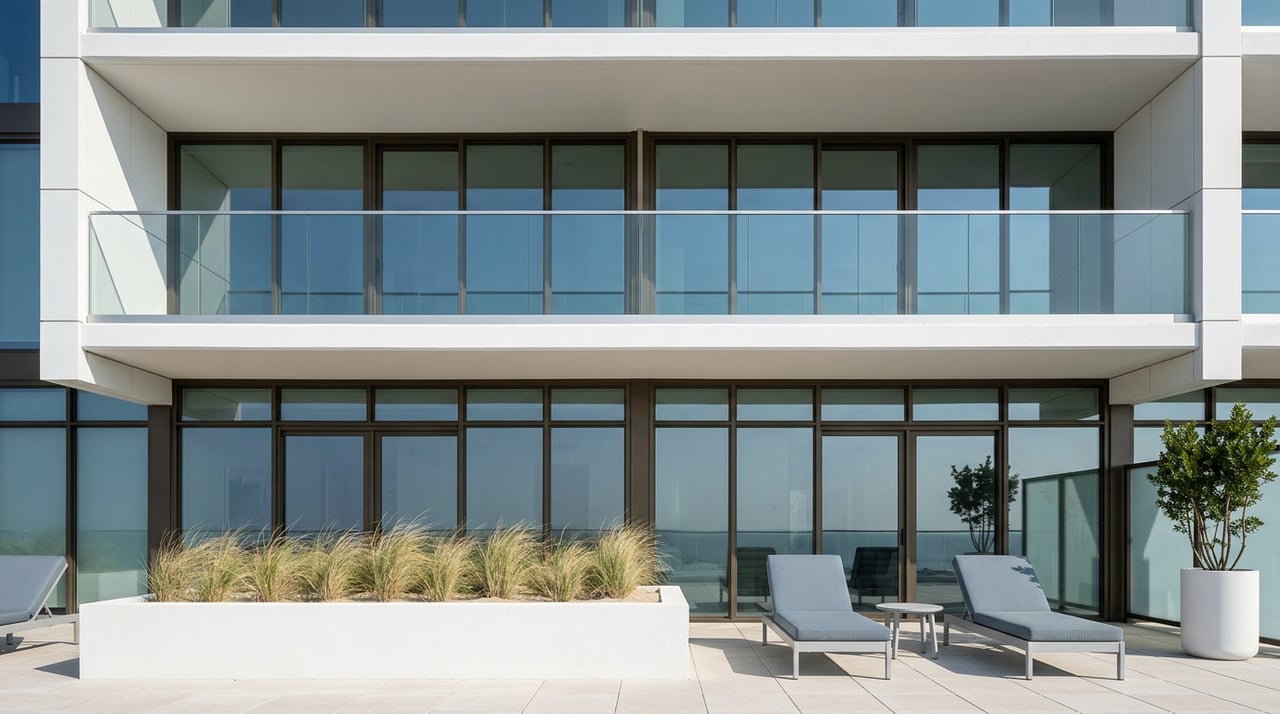
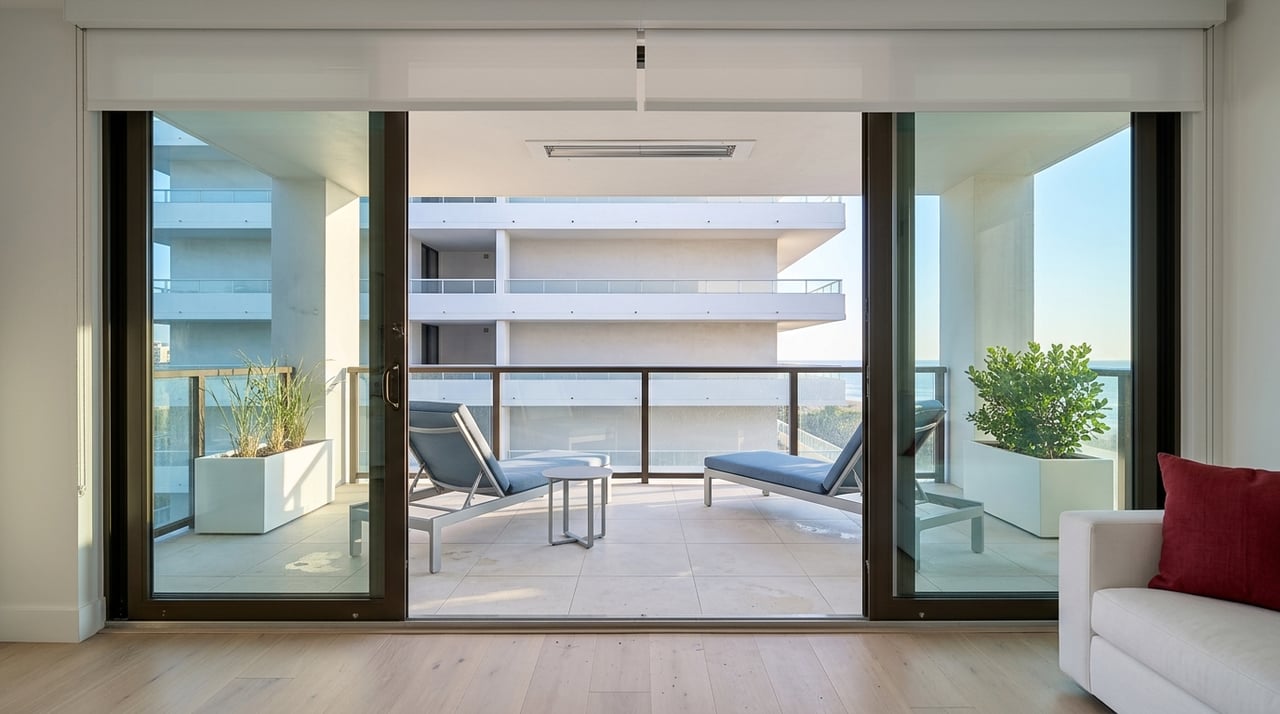
Sandbridge is a 4.5-mile beach community at the southern end of Virginia Beach known for a quieter coastal setting, vacation homes, condo rentals, and easy access to places like Back Bay National Wildlife Refuge and False Cape State Park. Visit Virginia Beach describes it as a calm, tucked-away destination, which helps explain why it appeals to travelers looking for a more relaxed beach stay.
That demand sits inside a much larger tourism economy. According to the 2024 Virginia Beach Tourism Economic Impact report, the city welcomed 14.3 million visitors in 2024, generated $2.6 billion in visitor spending, and recorded $688.9 million in lodging spending. The report also notes that lodging includes second homes and short-term rentals, which supports the idea that Sandbridge benefits from strong seasonal visitor traffic.
When Sandbridge Is Busiest
The clearest takeaway is simple: late May through August is typically the strongest demand window in the Sandbridge vacation rental market. That pattern lines up with warmer weather, beach season activity, and the city’s seasonal operations.
Summer temperatures help explain why. NOAA climate normals for the Norfolk area show average highs of 85.2°F in June, 89.4°F in July, and 86.9°F in August. Visit Virginia Beach also notes that Sandbridge parking is seasonal from May through September, which is another strong sign that summer is the most active stretch for beach visitors.
The broader city events calendar also supports that pattern. Summer programming such as the Oceanfront Concert Series and the North American Sand Soccer Championship can add to overall visitor momentum in Virginia Beach, even if guests are staying outside the Oceanfront area. For buyers, that usually means the summer booking window is the most competitive and the most likely to support premium weekly rates.
What Spring Demand Looks Like
Spring is often a shoulder season, which means demand tends to improve before the true summer rush arrives. NOAA normals show average highs climbing from 60.1°F in March to 70.0°F in April and 77.4°F in May, making the area more attractive for weekend trips and longer coastal stays.
For Sandbridge specifically, spring can appeal to travelers who want beach access without the busiest summer crowds. Because the area is known for a quieter setting and vacation-home style stays, spring may be especially appealing for guests seeking a calm, multi-night getaway. That does not mean spring performs like peak summer, but it can help create a meaningful runway into the high season.
Does Fall Still Rent Well?
Yes, early fall can still be a meaningful part of the rental season. Average highs remain warm at 81.4°F in September and 72.3°F in October, which can keep beach and outdoor travel appealing well after summer ends.
Virginia Beach events can also help support demand in the broader market. The city’s events calendar includes major seasonal draws like the Neptune Festival in September. For Sandbridge owners and buyers, that points to a real shoulder-season opportunity, especially for travelers who prefer milder temperatures and a quieter atmosphere.
There can also be a smaller holiday bump. Visit Virginia Beach explicitly promotes Sandbridge as a Thanksgiving getaway, which suggests that certain holiday weeks may bring more demand than a typical late-fall period.
Winter Is Slower, But Not Silent
Winter is usually the softest season for occupancy in Sandbridge. NOAA normals show average highs of 54.7°F in December, 50.7°F in January, and 53.4°F in February, with cooler overnight lows that make classic beach travel less likely.
Still, slower does not mean empty. Sandbridge can continue to attract off-season visitors looking for a peaceful coastal break, holiday travelers, or guests visiting the broader Virginia Beach area. Citywide attractions like Holiday Lights at the Beach may also support some winter overnight stays, even if they do not create the same intensity as summer beach demand.
The key for buyers is to stay realistic. Sandbridge is not only a summer destination, but winter occupancy should not be modeled at summer levels.
How Weather Shapes Occupancy and Pricing
Weather is one of the biggest variables in any beach rental market, and Sandbridge is no exception. Warm temperatures can support strong demand, but rain and storm risk can affect both occupancy and pricing.
According to NOAA normals, July and August are not only hot but also wetter months, with average precipitation of 6.08 inches in July and 5.88 inches in August. September also stays relatively wet at 5.40 inches. That helps explain why late-summer pricing can still be strong while also being less predictable than earlier summer weeks.
Storm season matters too. NOAA notes that Atlantic hurricane season runs from June 1 through November 30, which overlaps with peak summer and early fall travel. For buyers, that means demand can remain healthy during those months, but income expectations should still leave room for weather-related variability.
Why Sandbridge Appeals to Longer Stays
Sandbridge has a different feel than a fast-turnover city rental market. Tourism descriptions highlight calm waves, vacation homes, condo rentals, and a quieter beach environment, which suggests the area is often better aligned with weekly and multi-night stays than short urban trips.
That distinction matters when you are evaluating a property. A home in a market driven by family beach trips and longer stays may perform differently than a rental aimed at quick weekend traffic. In Sandbridge, the seasonal pattern and traveler profile often work together.
What Buyers Should Know About Rules and Taxes
If you are considering a property for personal use plus rental income, local rules and operating costs matter just as much as seasonal demand. Virginia Beach states that short-term rentals must register annually and submit monthly reporting.
The city also says Sandbridge short-term rentals are subject to a 16.5% combined transient occupancy tax plus a $2 per night flat room tax. You can review the current requirements on the City of Virginia Beach short-term rental page.
These costs and compliance steps directly affect net returns. Before you buy, it is smart to verify current short-term rental rules, taxes, insurance needs, financing terms, and any HOA covenants that may apply to the property you are considering.
Practical Takeaways for Sandbridge Buyers
If you are evaluating Sandbridge as a second home or vacation rental opportunity, a few principles stand out:
- Peak demand usually centers on late May through August
- Spring and early fall can provide useful shoulder-season demand
- Holiday weeks, especially Thanksgiving, may create smaller booking bumps
- Winter is slower and should be underwritten conservatively
- Weather and hurricane season can affect late-summer and fall performance
- Taxes, registration, and monthly reporting should be part of your budget planning
The good news is that Sandbridge benefits from both its own coastal appeal and the strength of the wider Virginia Beach visitor economy. The 2024 tourism report shows overnight arrivals increased 2.0% year over year, while lodging spending increased 1.6% even though average daily rates dipped slightly. That is a helpful reminder that strong demand does not always mean you should assume rates will rise every season.
If you want help weighing lifestyle goals, seasonal demand patterns, and the real-world details of buying in Sandbridge, Darlene "Hollywood" Gaines offers a red-carpet level of guidance backed by local market knowledge and hands-on support.
FAQs
When is Sandbridge busiest for vacation rentals?
- Sandbridge is typically busiest from late May through August, when beach weather, seasonal parking, and summer travel patterns are strongest.
Does fall still bring vacation rental demand in Sandbridge?
- Yes. September and October can still attract guests because temperatures remain relatively warm, and citywide events like the Neptune Festival can support broader visitor demand.
How does hurricane season affect Sandbridge vacation rentals?
- Hurricane season runs from June 1 through November 30, so late summer and early fall demand can still be strong but may be less predictable because of weather risk.
Is Sandbridge only a summer vacation rental market?
- No. Sandbridge has shoulder-season appeal tied to nature access, holiday travel, and the larger Virginia Beach visitor market, but winter is generally slower than summer.
What short-term rental taxes and rules apply in Sandbridge?
- Virginia Beach says short-term rentals must register annually, submit monthly reporting, and pay a 16.5% combined transient occupancy tax plus a $2-per-night flat room tax.
What should buyers model when considering a Sandbridge vacation rental?
- Buyers should model seasonal and variable income, then verify current rules, taxes, insurance, financing, and any HOA requirements before purchasing.